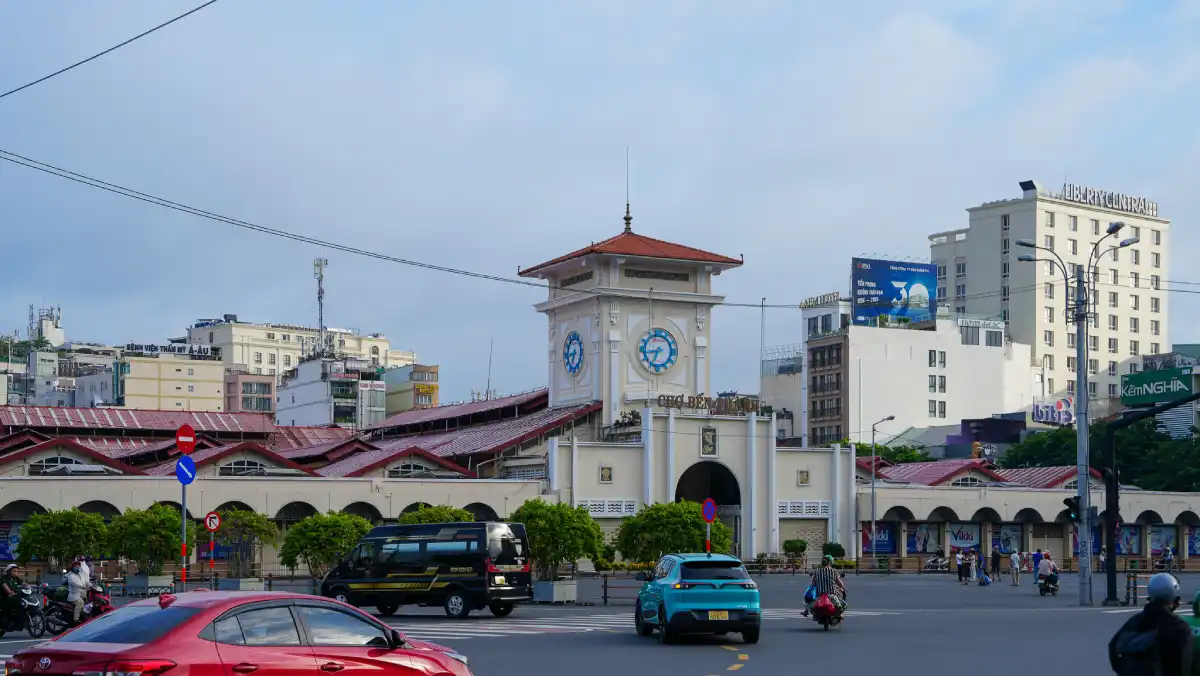
The first thing most visitors notice is the clock tower.
It rises above the traffic like a silent witness to everything that has happened in Saigon over the last century. Motorbikes stream past from every direction. Street vendors arrange baskets of fruit beneath the morning sun. Travelers pause to take photos before disappearing into the maze of stalls hidden behind the market's cream-colored walls.
At first glance, Ben Thanh Market looks like another busy marketplace.
Spend an hour here and you will discover something entirely different.
This is not merely a place to buy souvenirs. It is one of the few places in Ho Chi Minh City where history, commerce, food, and everyday local life still collide under the same roof.
For many visitors, Ben Thanh Market is their introduction to Saigon — often the first stop on a free walking tour of Ho Chi Minh City with local guides.
For locals, it is a symbol of the city itself.
A Market Older Than Modern Saigon
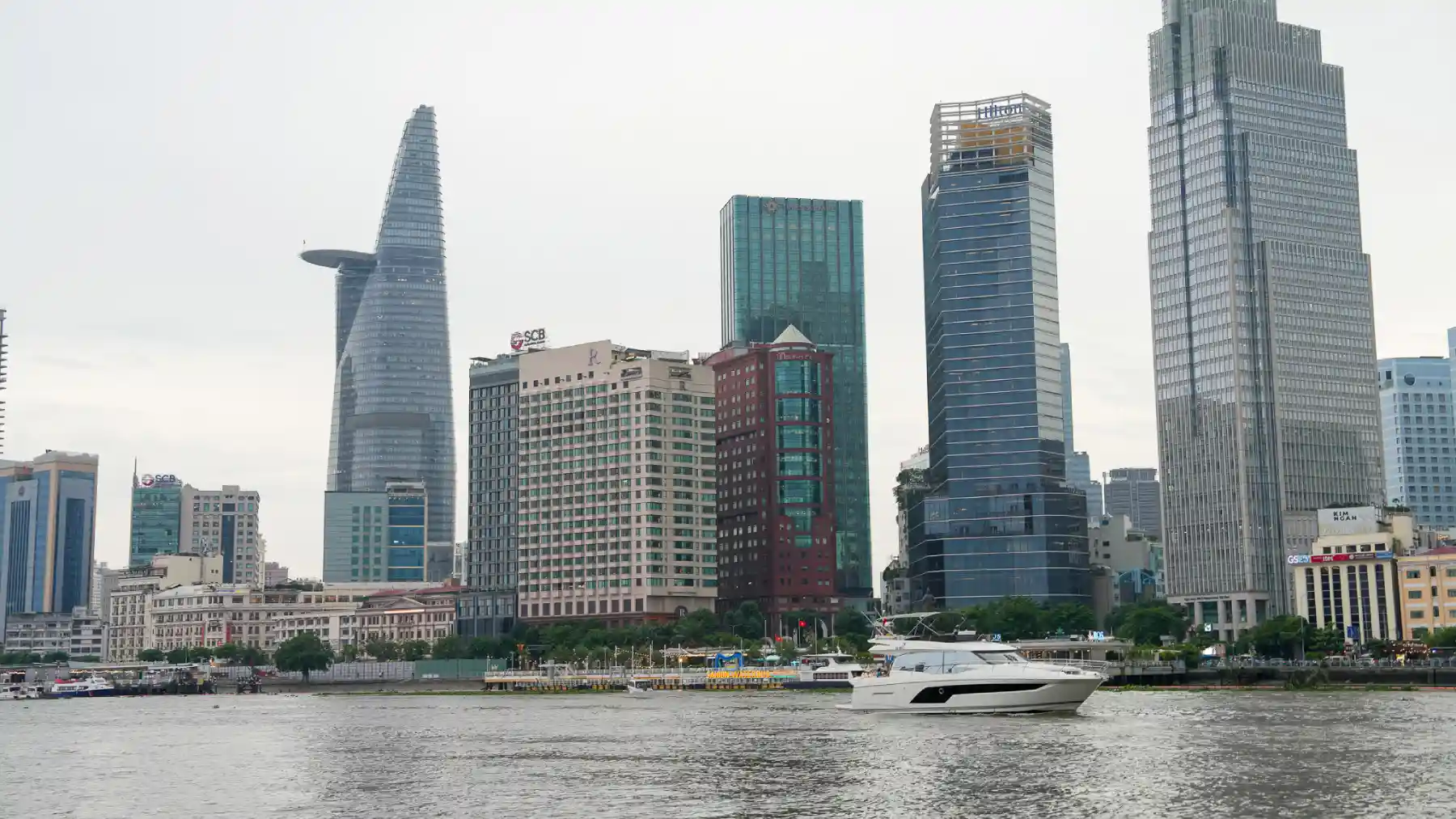
Long before glass skyscrapers transformed the skyline, traders gathered near Bach Dang Wharf on the Saigon River to exchange goods arriving from across southern Vietnam.
The origins of Ben Thanh Market date back to the nineteenth century, when merchants sold fish, rice, vegetables, spices, and household products near the old citadel of Gia Dinh. The market gradually grew alongside the city itself.
The current structure was completed in 1912 during the French colonial era and remains one of the most recognizable landmarks in Vietnam today.
The name "Ben Thanh" carries historical meaning.
"Ben" refers to a river harbor.
"Thanh" refers to the old citadel.
Together, they tell the story of a trading center that connected waterways, merchants, and the rapidly growing city around it.
More than one hundred years later, the famous clock tower continues to watch over the heart of Saigon.
Why Ben Thanh Market Still Matters
Many travel guides describe Ben Thanh Market as a tourist attraction.
That description is only partially true.
Yes, visitors come here to buy gifts, try local dishes, and photograph the iconic entrance. But beneath the tourist activity lies something more authentic.
Local restaurant owners still purchase ingredients here.
Families continue to shop for spices, dried seafood, coffee, and traditional products.
Vendors who inherited their stalls from parents and grandparents continue businesses that have survived wars, economic reforms, and the transformation of Saigon into one of Southeast Asia's fastest-growing cities.
Many visitors see souvenirs.
Locals see memories.
The market represents continuity in a city that changes almost every year.
Exploring the Four Gates of Ben Thanh Market
The market is enormous, covering thousands of square meters and housing hundreds of stalls.
Each entrance reveals a slightly different side of the experience.
The South Gate
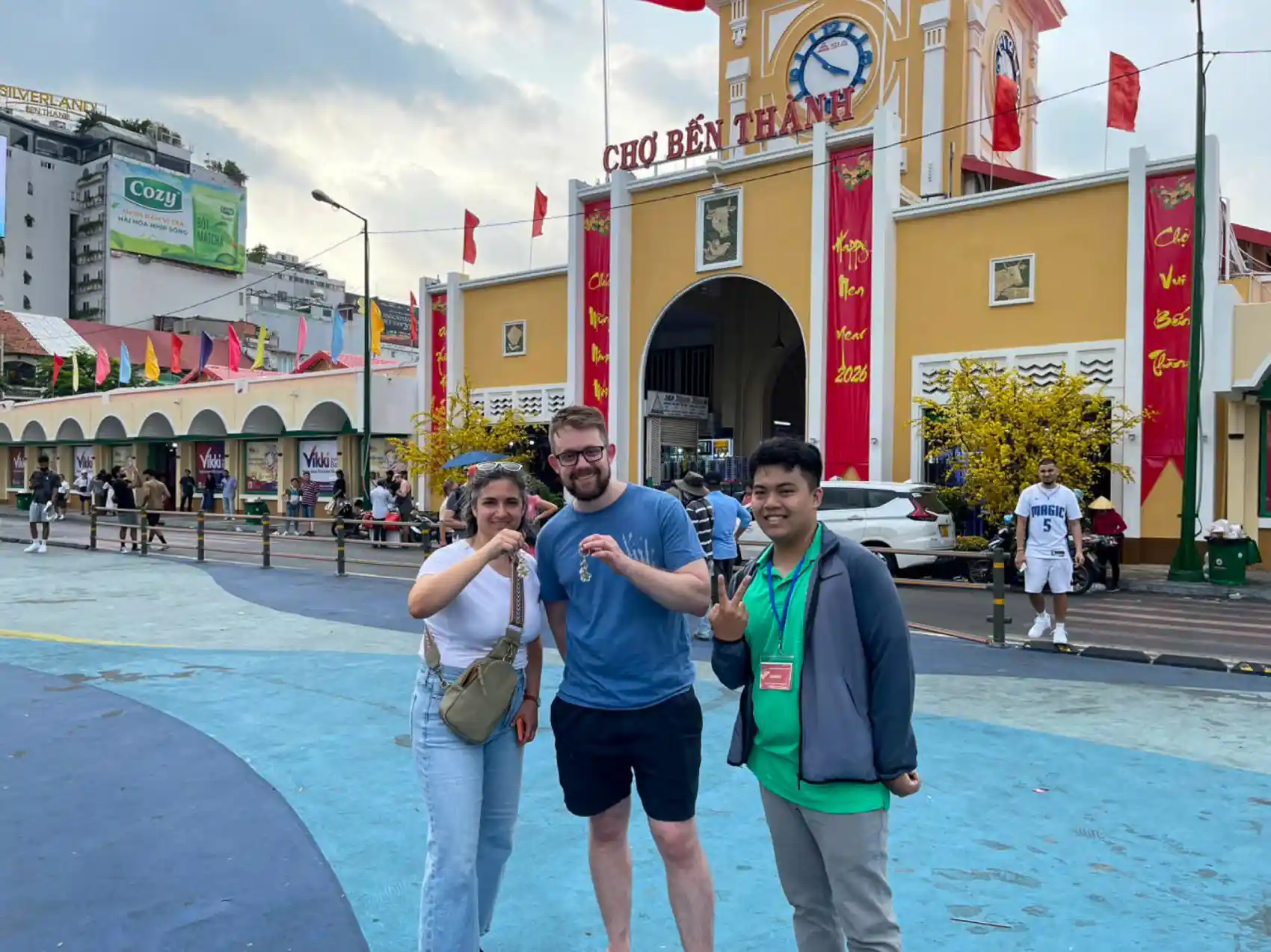
This is the famous entrance featured on postcards, travel brochures, and social media posts.
The clock tower dominates the view and serves as a popular meeting point for both locals and visitors.
If someone says, "Meet me at Ben Thanh Market," this is usually where they mean.
The North Gate
Food lovers should head here first.
You'll find rows of vendors serving traditional Vietnamese dishes alongside local snacks and desserts — a short preview of the flavours featured on our Saigon street food walking tour.
The atmosphere is lively, especially during lunch hours when workers from nearby offices stop by for a quick meal.
The East Gate
This section is known for dried foods, spices, Vietnamese coffee, and ingredients used in local cooking.
The aroma alone is enough to tempt visitors into taking home an extra bag of coffee beans.
The West Gate
Handicrafts, textiles, souvenirs, and traditional gifts dominate this area.
If you're searching for something uniquely Vietnamese to bring home, this is often the best place to start.
What to Eat at Ben Thanh Market
The best way to explore Ben Thanh Market is not with a shopping list.
It is with an appetite.
The market's food court offers a compact introduction to southern Vietnamese cuisine.
Vietnamese Coffee
Strong, rich, and often sweetened with condensed milk, Vietnamese coffee remains one of the market's simplest pleasures.
Sit down for ten minutes and watch the crowds pass by while sipping a cup brewed the traditional way.
Banh Xeo
These crispy Vietnamese pancakes arrive sizzling from the pan, filled with shrimp, pork, and bean sprouts.
Wrapped in fresh herbs and dipped into fish sauce, they capture the balance of flavors that defines Vietnamese cuisine.
Bun Thit Nuong
Grilled pork, rice noodles, fresh vegetables, and herbs come together in a bowl that perfectly represents southern Vietnam's vibrant food culture.
Hu Tieu
A beloved noodle soup originating from the Mekong Delta, Hu Tieu remains a favorite breakfast and lunch option for many locals.
Sweet Desserts
Colorful Vietnamese desserts made with coconut milk, beans, tropical fruits, and sticky rice offer a refreshing finish after exploring the market.
What to Buy at Ben Thanh Market
Shopping at Ben Thanh Market is part treasure hunt and part cultural experience.
Some of the most popular items include:
Vietnamese Coffee
One of the easiest and most practical souvenirs to bring home.
Local Spices
Vietnam's culinary reputation begins with its ingredients, and the market offers an impressive variety.
Handicrafts
Wood carvings, bamboo products, embroidered items, and handmade decorations reflect traditional Vietnamese craftsmanship.
Lacquerware
Elegant lacquer products remain among the most distinctive souvenirs available in Vietnam.
Silk Products
Scarves, clothing, and accessories continue to attract visitors seeking quality local textiles.
Bargaining is common, but it should always be approached with friendliness and respect.
A smile often works better than aggressive negotiation.
Ben Thanh Market After Dark
As daylight fades, the atmosphere changes completely.
Outside the market, food stalls begin to appear.
The neon lights switch on.
The smell of grilled seafood fills the evening air.
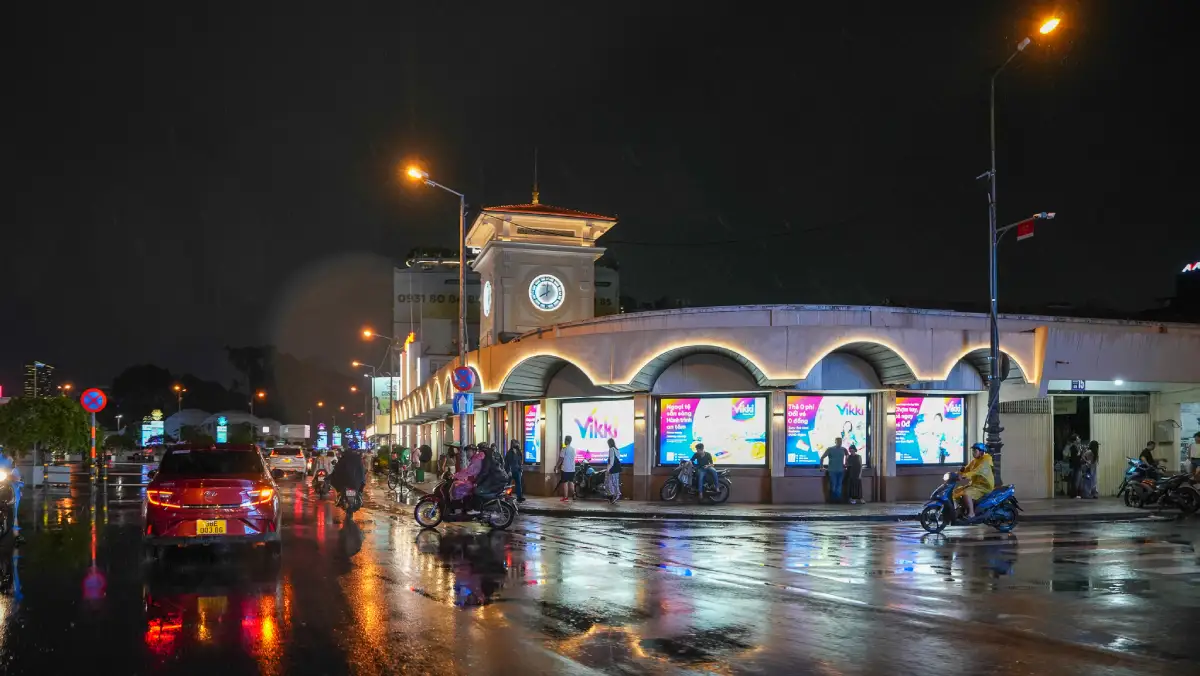
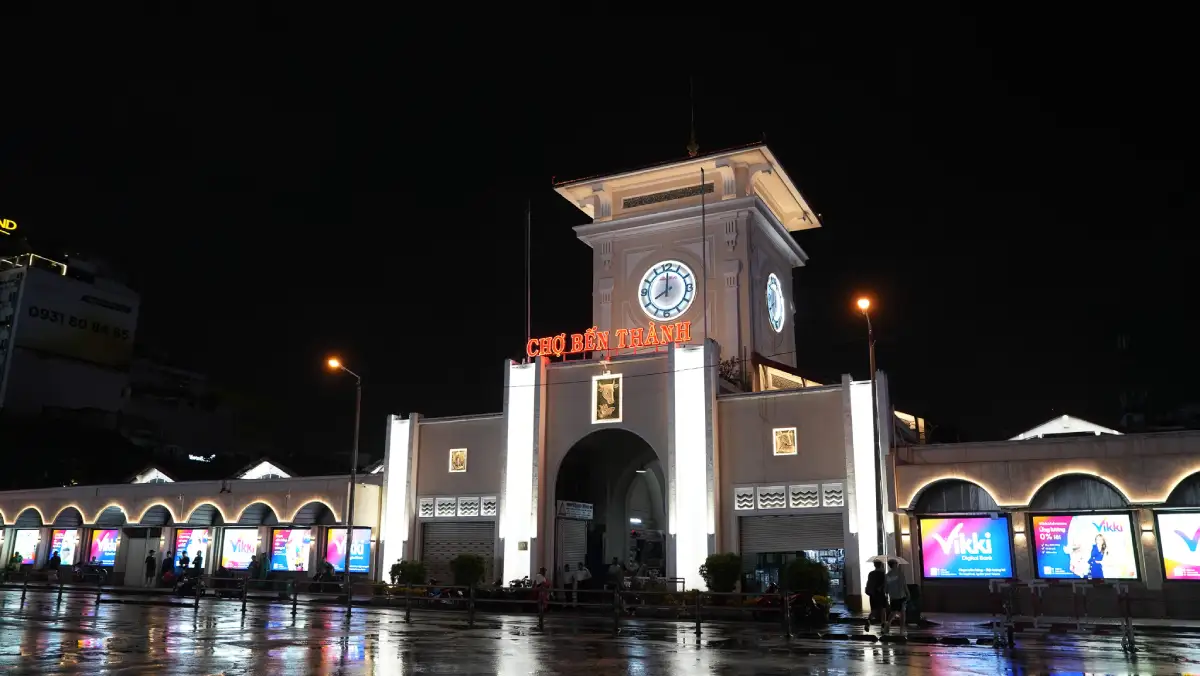
The famous clock tower glows against the night sky while traffic reflects across rain-soaked streets.
For photographers, this is one of the most beautiful times to visit.
The contrast between historic architecture and modern city lights captures the energy of Saigon at night — Ho Chi Minh City after dark.
Many travelers leave after sunset believing they have seen a different place entirely.
In reality, they have simply witnessed another side of the same market.
Photography Tips for Ben Thanh Market
If you want memorable photographs, timing matters.
Early Morning
Arrive shortly after sunrise.
The light is soft, the streets are quieter, and vendors are preparing for the day ahead.
Blue Hour
The period just after sunset creates dramatic images around the clock tower as city lights begin to appear.
Rainy Evenings
Some of the most atmospheric photographs happen during or after rain.
Reflections from headlights, market signs, and street lamps transform the roads surrounding Ben Thanh Market into a colorful canvas.
Many professional photographers consider rainy nights one of the most visually rewarding moments in Saigon.
Local Tips Most Visitors Never Hear
- Visit before 8:00 AM if you want to experience a calmer and more authentic atmosphere.
- Carry small denominations of Vietnamese Dong for easier transactions.
- Walk around before making purchases. Prices can vary between stalls.
- Explore the surrounding streets rather than limiting yourself to the market interior.
- Combine your visit with nearby attractions such as Nguyen Hue Walking Street, the Saigon Opera House, and the Central Post Office — all featured on the Saigon City Highlights walking tour.
The real charm of Ben Thanh Market often begins outside its walls.
Exploring Ben Thanh Market With A Local
Ben Thanh Market can feel overwhelming during a first visit.
Hundreds of stalls compete for attention. The aromas of coffee, grilled food, spices, and fresh fruit blend together. Every corner seems to offer something different.
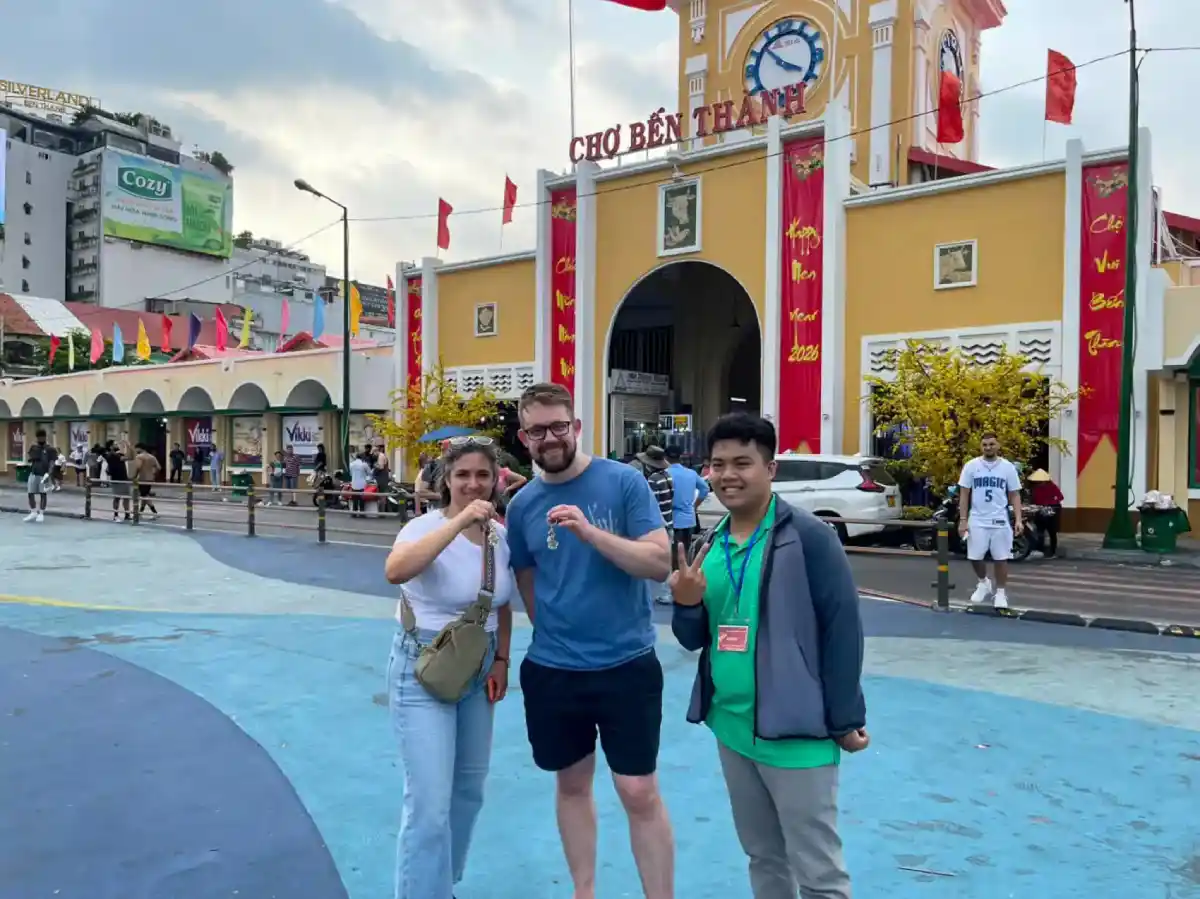
This is why many visitors discover that the most rewarding experience comes from exploring the market with a local guide.
During our walking tours, guests often arrive expecting a shopping destination.
They leave understanding how Ben Thanh Market reflects the history of Saigon seen through local eyes.
We share stories about the market's origins, explain local food traditions, and introduce the cultural details that are easy to miss when walking alone.
Sometimes the most memorable part of Ben Thanh Market isn't what you buy.
It's the conversations, encounters, and local perspectives that transform a famous landmark into a meaningful travel experience.
More Than a Market
Ben Thanh Market is not simply a place to shop.
It is a living archive of Saigon.
Every stall tells a story. Every vendor represents a chapter in the city's history. Every bowl of noodles, every cup of coffee, and every conversation reflects the spirit of a city that has always welcomed people from elsewhere while remaining proudly itself.
The famous clock tower may be the symbol visitors remember.
But the true heart of Ben Thanh Market lies in the countless human stories unfolding beneath it every single day.
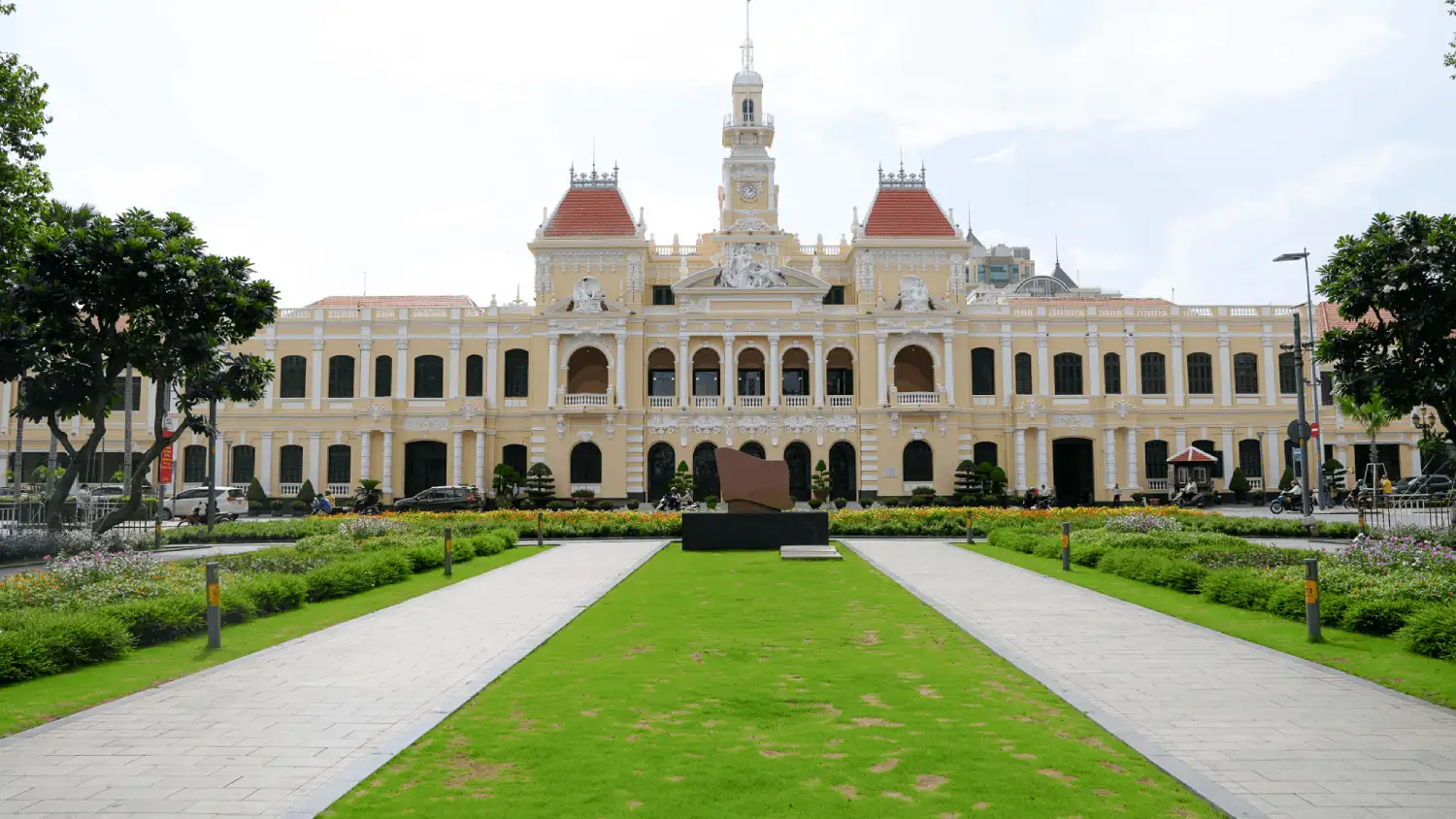
If you want to understand Ho Chi Minh City beyond the guidebooks, start here — then continue with the history and architecture of Ho Chi Minh City Hall and the colonial landmarks just a short walk away.
Then step into the streets surrounding the market and discover the city through the eyes of those who call Saigon home.
Keep Reading
- Walk it next: Saigon City Highlights Walking Tour
- Related Story: Bach Dang Wharf and the Saigon River
- Discover More: Saigon at Night: Discover Ho Chi Minh City After Dark
- Local-Led Experience: Free Walking Tour Ho Chi Minh City: What to Expect
Explore Saigon With Local Guides
Book your tour: freewalkingtourssaigon.com
WhatsApp: +84 971 986 466
Join Free Walking Tours Saigon and discover the stories, food, culture, and hidden corners that most visitors never experience on their own.