As the afternoon light begins to soften across District 1, visitors naturally find themselves drawn towards one of the most elegant buildings in Ho Chi Minh City.
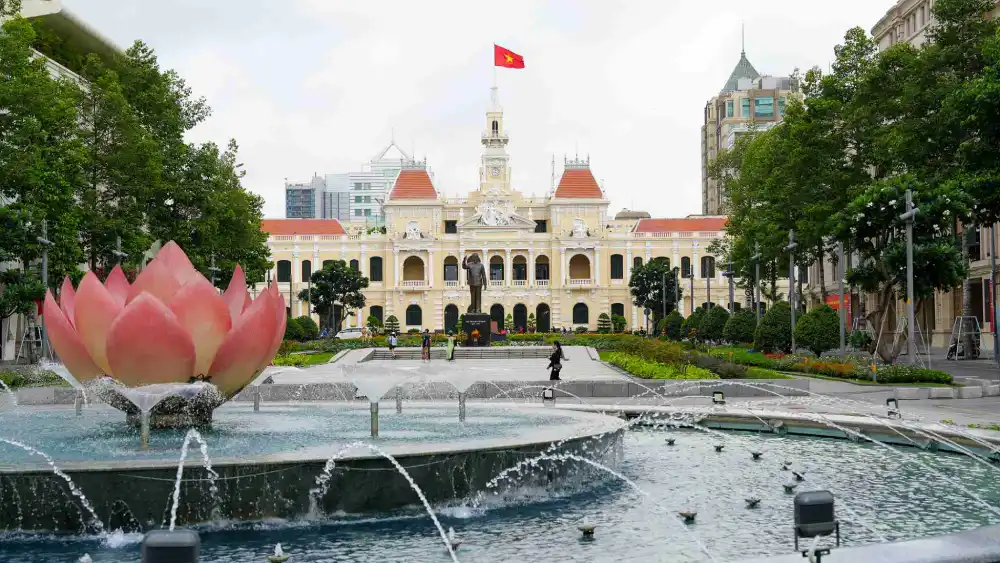
Standing proudly at the northern end of Nguyen Hue Walking Street, Ho Chi Minh City Hall has become one of the city's most recognised landmarks and one of the most photographed locations in Saigon.
Every day, travellers stop to admire its architecture, take photographs, and appreciate its striking presence against the backdrop of modern Ho Chi Minh City.
Yet for many visitors, the building represents far more than a beautiful façade.
Behind its elegant exterior lies a story that reflects the transformation of Saigon itself.
One Of The Most Important Landmarks In District 1
Located in the heart of District 1, Ho Chi Minh City Hall occupies one of the most prominent positions in the city.
From here, visitors can easily walk to Nguyen Hue Walking Street, the Saigon Central Post Office, Notre Dame Cathedral, and several of the city's most important cultural and historical attractions.
Its location has made it a natural focal point within the city for more than a century.
Today, it remains one of the defining landmarks of downtown Ho Chi Minh City and a familiar symbol for both locals and visitors.
A Legacy Of French Colonial Architecture
Construction of the building began during the French colonial period in the early twentieth century.
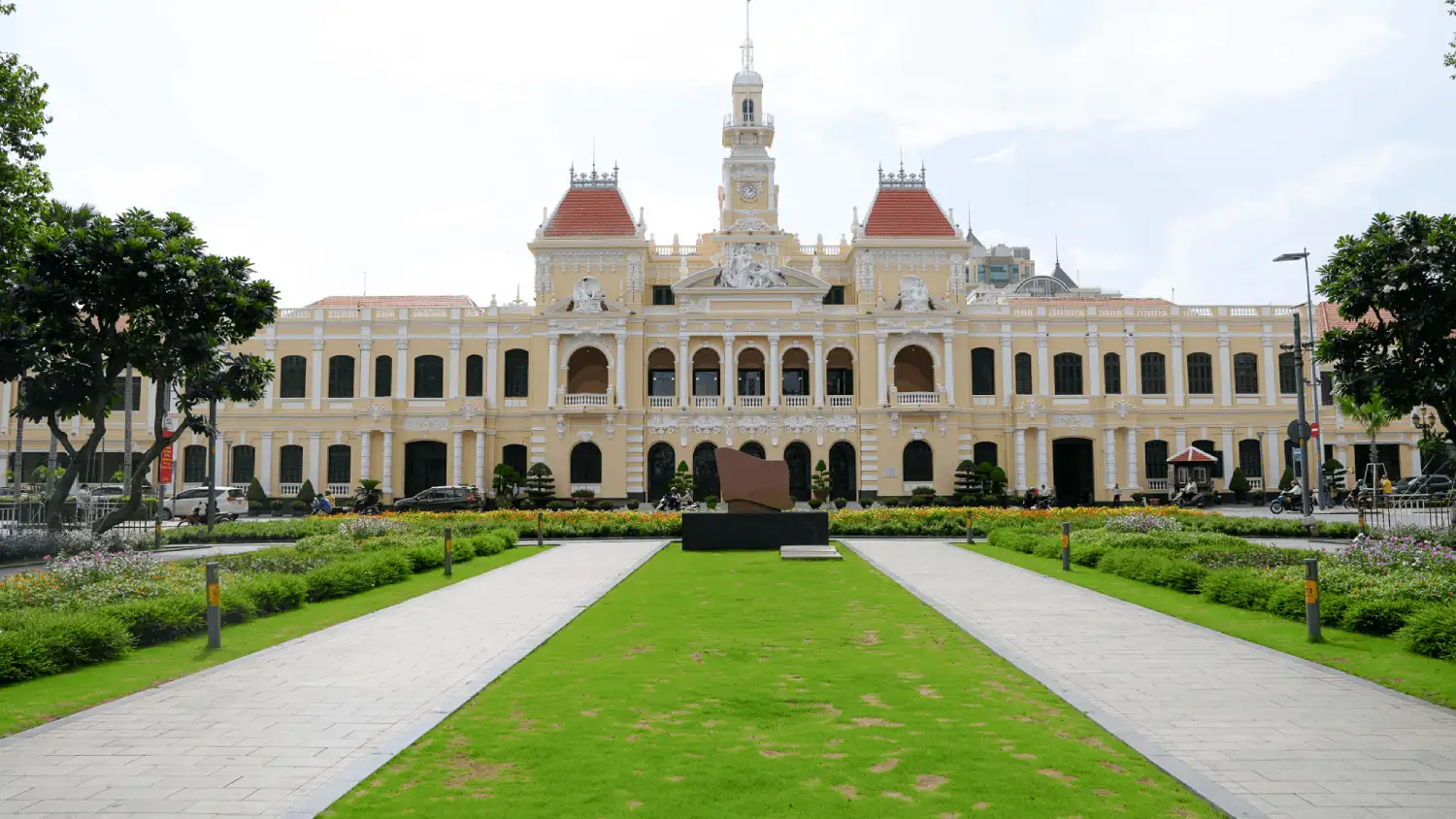
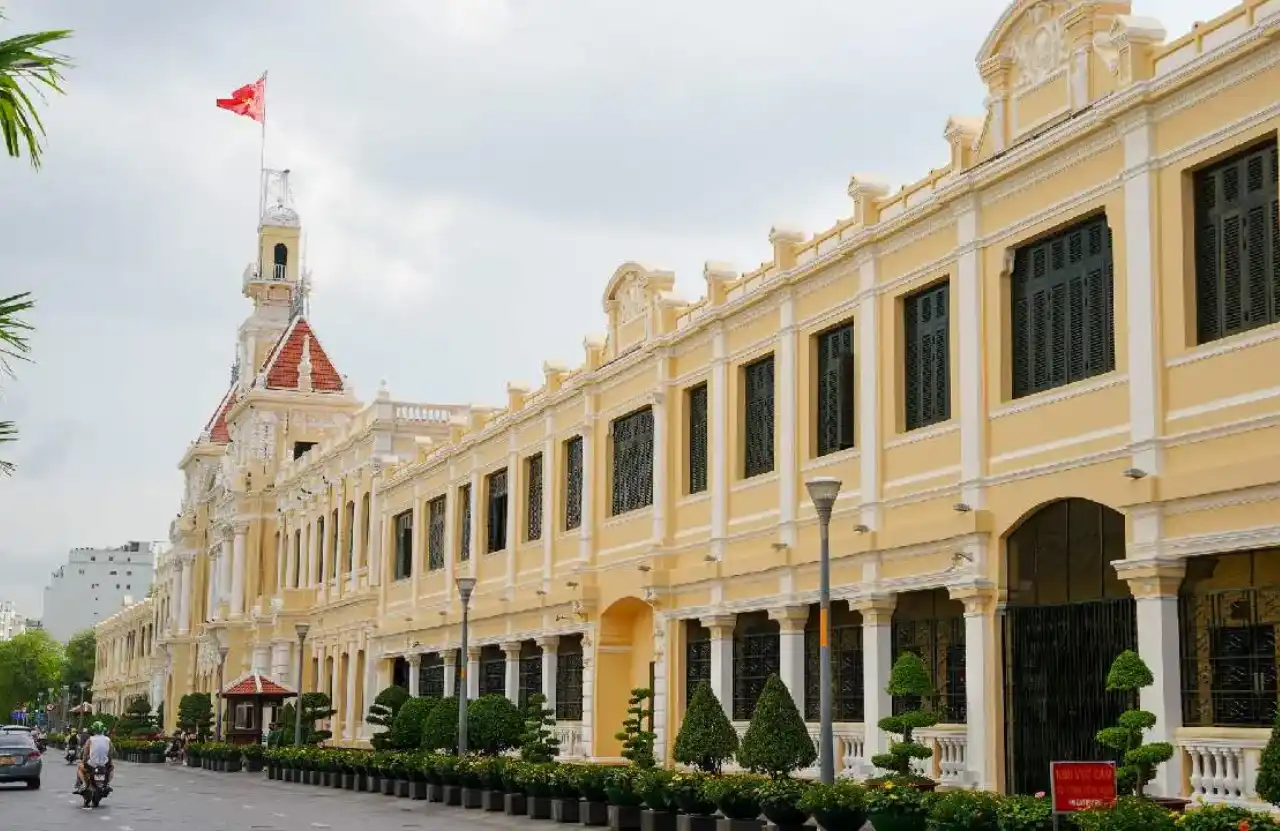
Designed in the Beaux-Arts architectural style, the structure reflects many of the design principles commonly found in civic buildings throughout France during that era.
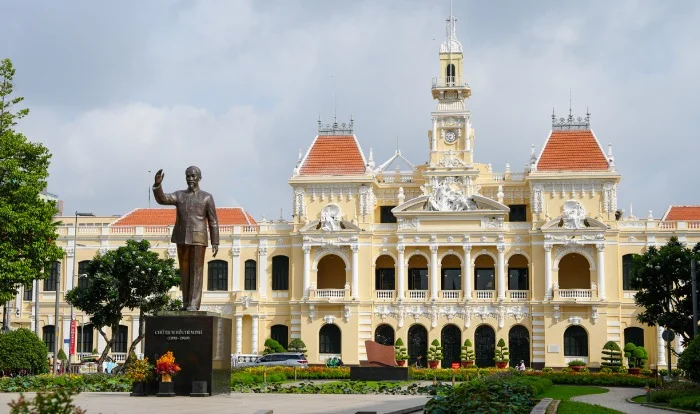
Visitors immediately notice its symmetrical façade, decorative carvings, ornate balconies, and elegant clock tower.
While Ho Chi Minh City has changed dramatically over the decades, City Hall continues to preserve an important architectural connection to the city's colonial past.
For travellers interested in architecture, it remains one of the finest examples of French colonial design in Vietnam.
More Than A Historic Building
Many visitors initially view City Hall as simply another attraction on a sightseeing itinerary.
The reality is far more interesting.
The building has witnessed generations of change throughout the city's history.
Political transitions. Urban expansion. Economic transformation. The emergence of modern Ho Chi Minh City as one of Southeast Asia's most dynamic urban centres.
While the skyline surrounding the building continues to evolve, City Hall remains a familiar reference point that connects different periods of the city's development.
Its presence helps tell the story of how Saigon became the city visitors experience today.
Why It Matters To Modern Ho Chi Minh City
What makes Ho Chi Minh City Hall particularly fascinating is the contrast that surrounds it.
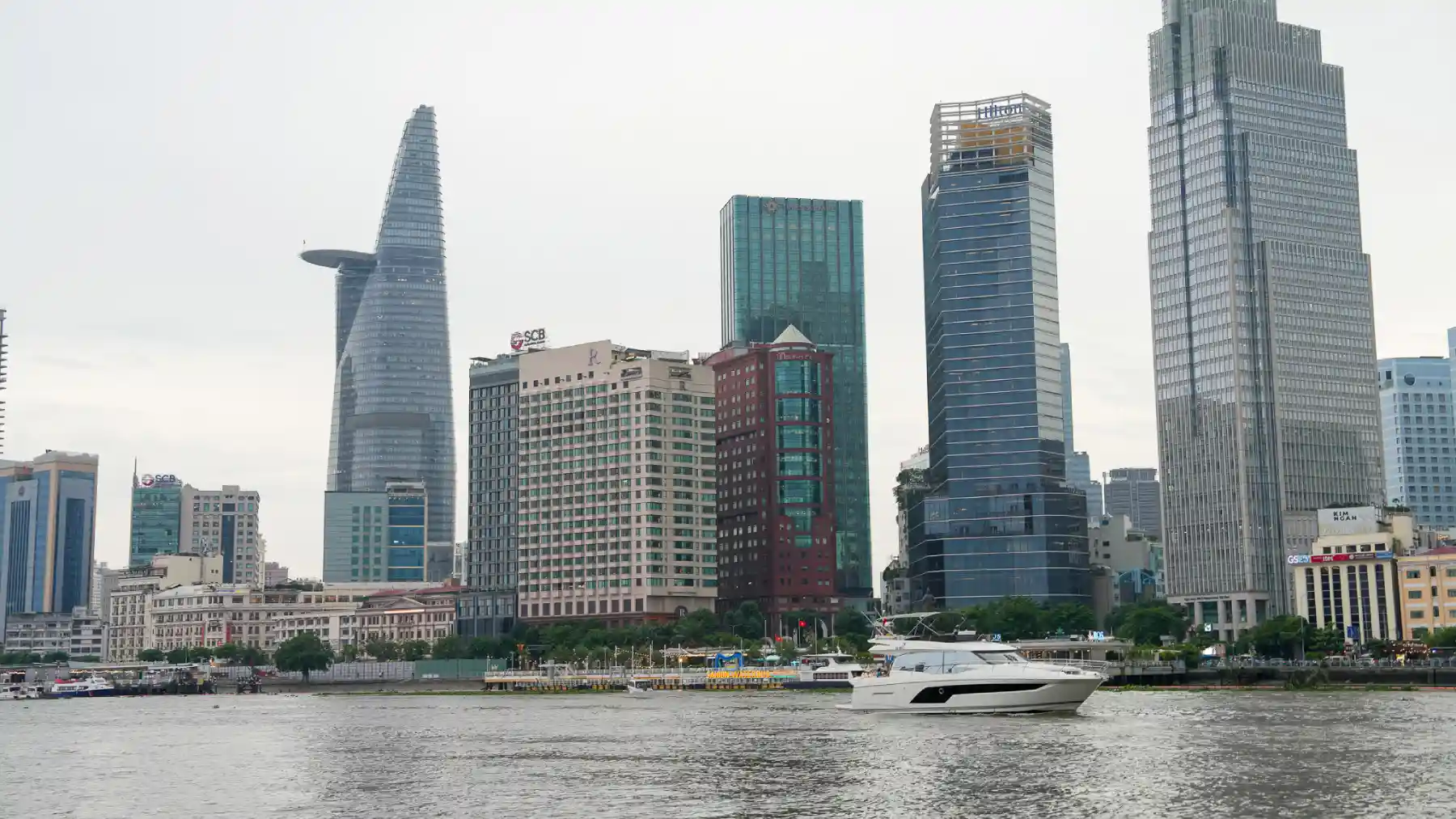
Standing nearby, visitors can see contemporary office towers, luxury hotels, bustling cafés, and modern public spaces.
Yet City Hall continues to command attention.
This contrast perfectly reflects one of the defining characteristics of Ho Chi Minh City.
The city constantly moves forward while still maintaining visible connections to its past.
For many travellers, understanding this balance between history and modern life becomes one of the most interesting aspects of exploring Saigon.
City Hall serves as one of the clearest examples of that relationship.
The Best Time To Visit
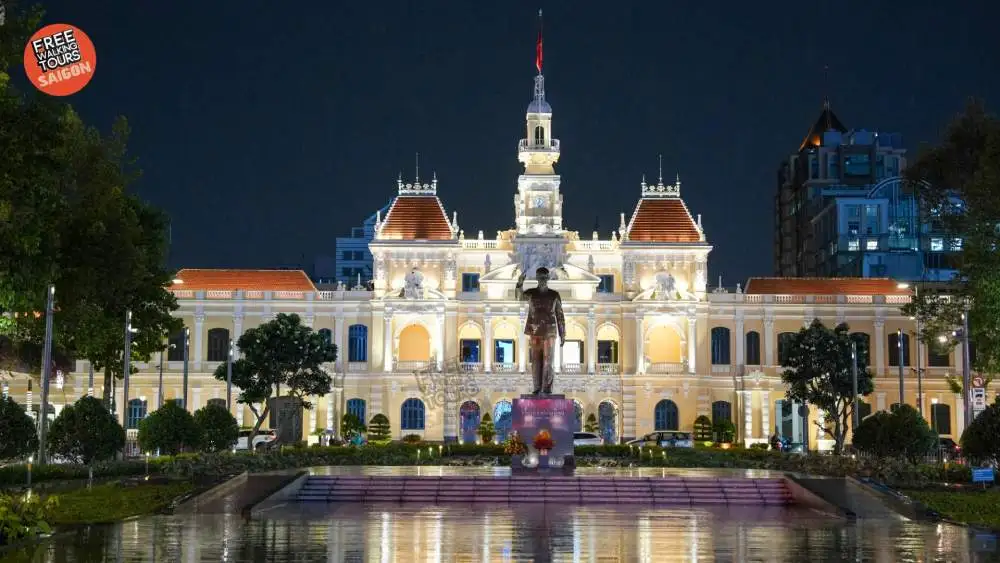
While the building is impressive throughout the day, many visitors consider late afternoon and early evening to be the most beautiful time to experience the area.
As the sun begins to set, the surrounding streets become more active and the architecture takes on a warmer appearance.
After dark, the illuminated façade creates one of the most striking scenes in the city centre.
Combined with the atmosphere of Nguyen Hue Walking Street, it becomes one of the most enjoyable places to spend an evening in Ho Chi Minh City.
Exploring City Hall On A Walking Tour
One of the advantages of joining a Free Walking Tour Saigon is the opportunity to understand the stories behind landmarks like City Hall.
Rather than simply admiring the architecture, visitors gain insight into how the building fits within the broader story of the city.
Discussions often move beyond the landmark itself and explore how Ho Chi Minh City has developed over time, how local residents view these historic buildings, and how modern life continues to shape the city today.
This perspective helps transform a photo stop into a deeper cultural experience.
More Than A Landmark
Many visitors arrive at Ho Chi Minh City Hall expecting to see an attractive colonial-era building.
Most leave with a greater appreciation for the city surrounding it.
The building is not simply an architectural attraction.
It is a visual reminder of the different chapters that have shaped Ho Chi Minh City over more than a century.
For travellers exploring District 1, City Hall remains one of the most important places to understand both the history and the continuing evolution of modern Saigon.