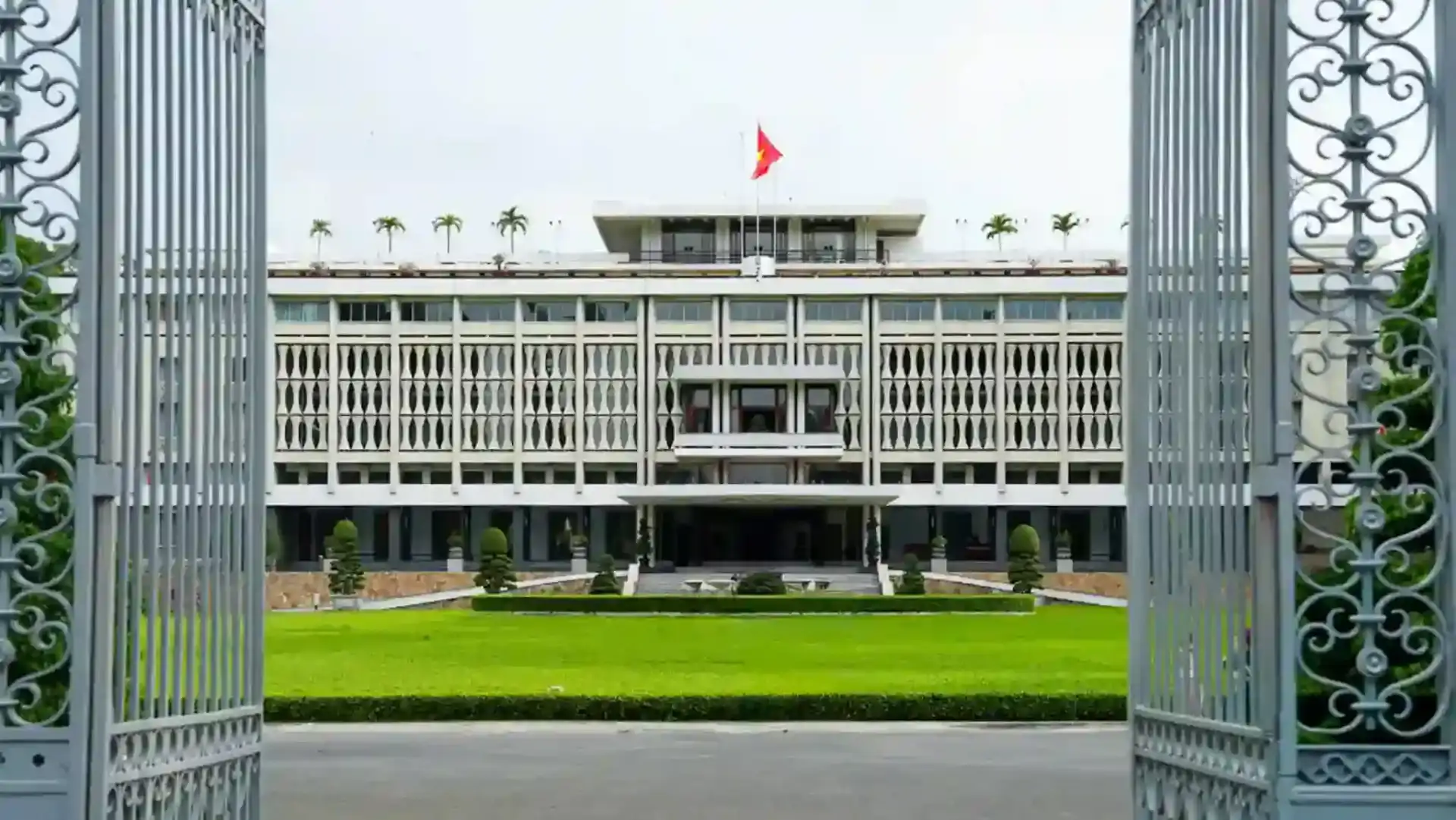
Few places in Vietnam capture the country's modern history as powerfully as Independence Palace in Ho Chi Minh City.
Standing behind wide green lawns and shaded by centuries-old trees, this striking building appears calm and elegant at first glance. Yet behind its walls, some of the most important decisions in modern Vietnamese history were made. For visitors exploring District 1 today, Independence Palace is more than a tourist attraction. It is a place where architecture, politics, and history meet in one unforgettable experience.
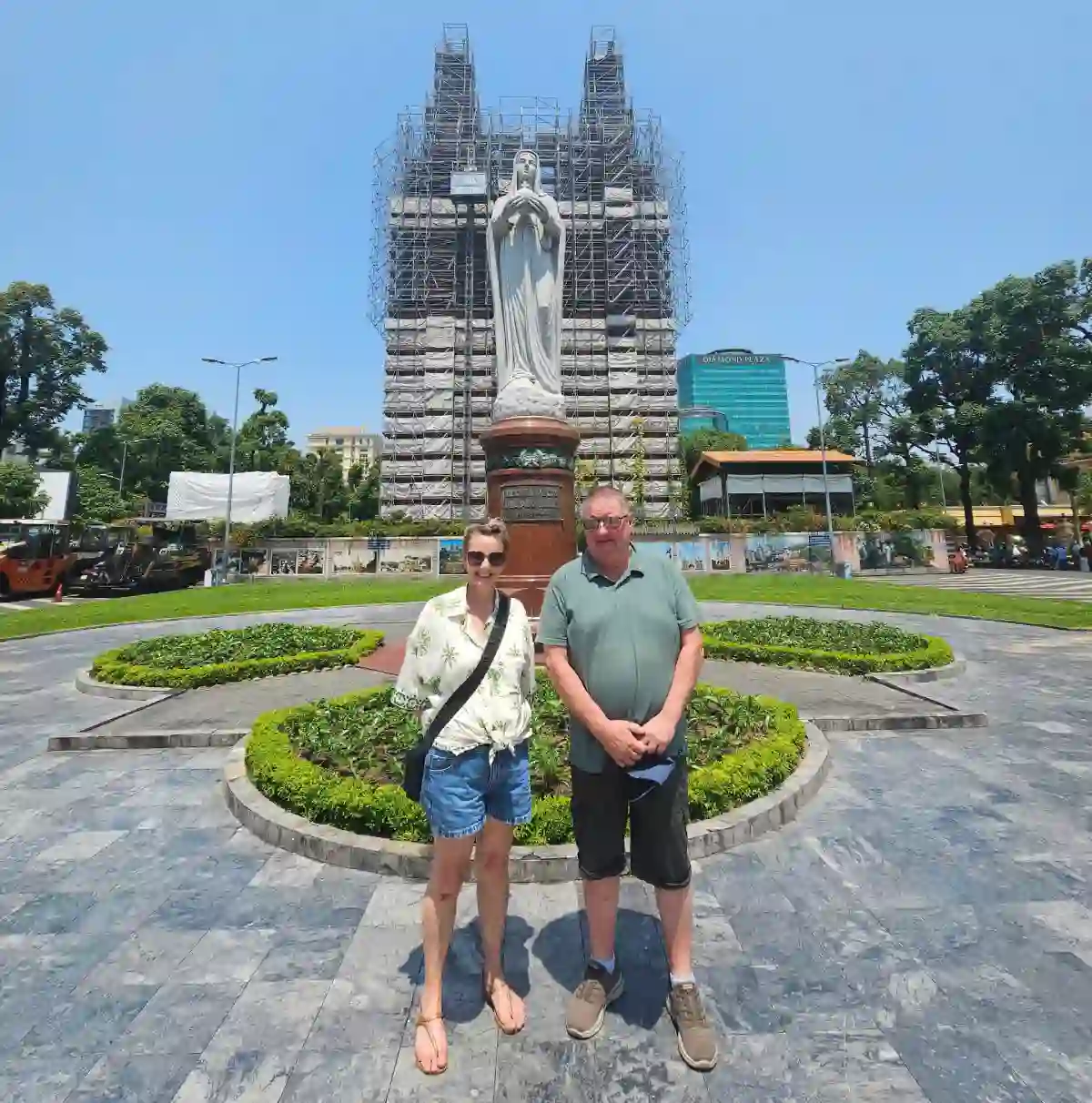
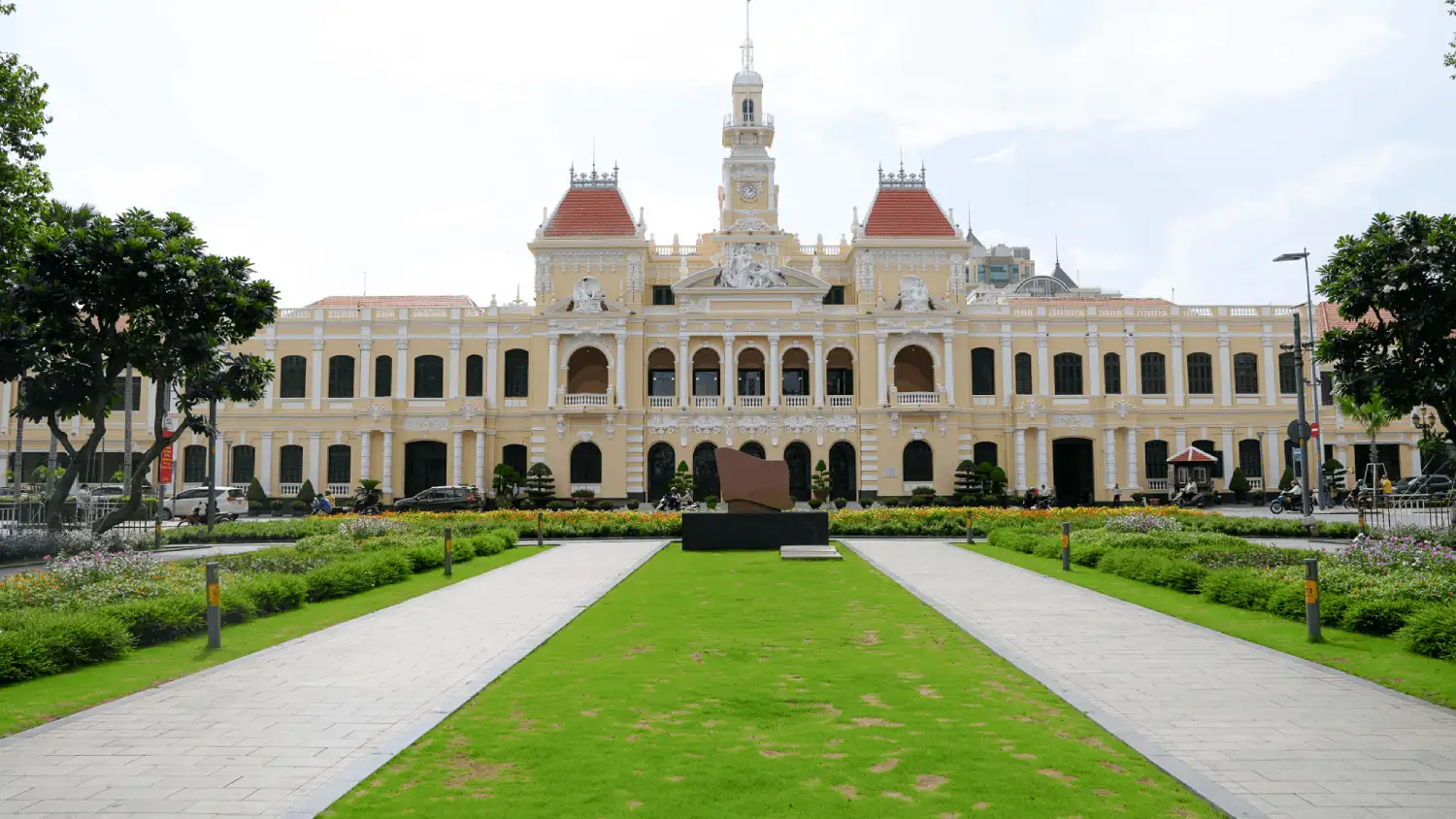
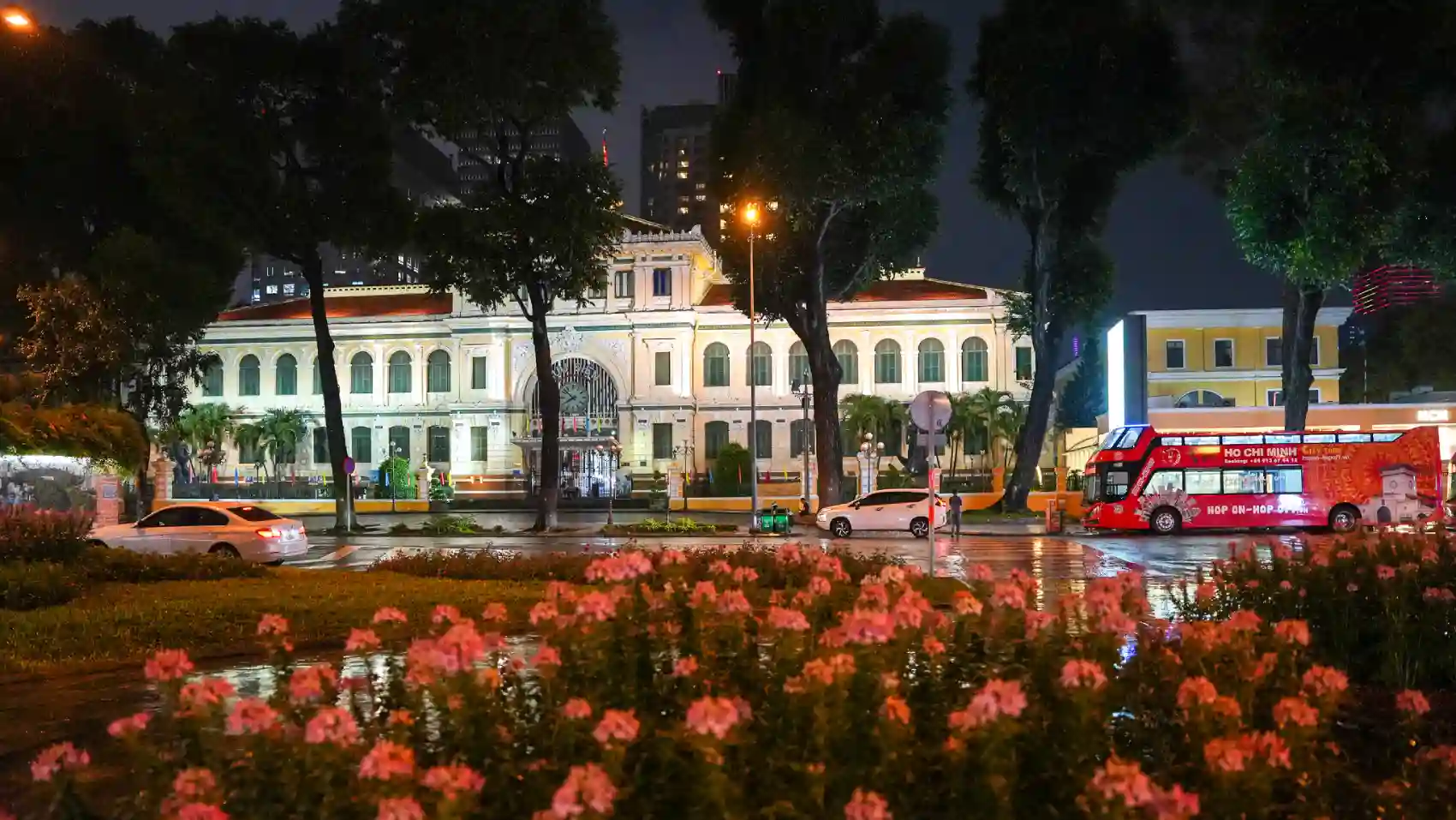
Located just a short walk from Notre Dame Cathedral, the Saigon Central Post Office, and Ho Chi Minh City Hall, the palace remains one of the highlights of any journey through the heart of Ho Chi Minh City.
A Building That Witnessed History
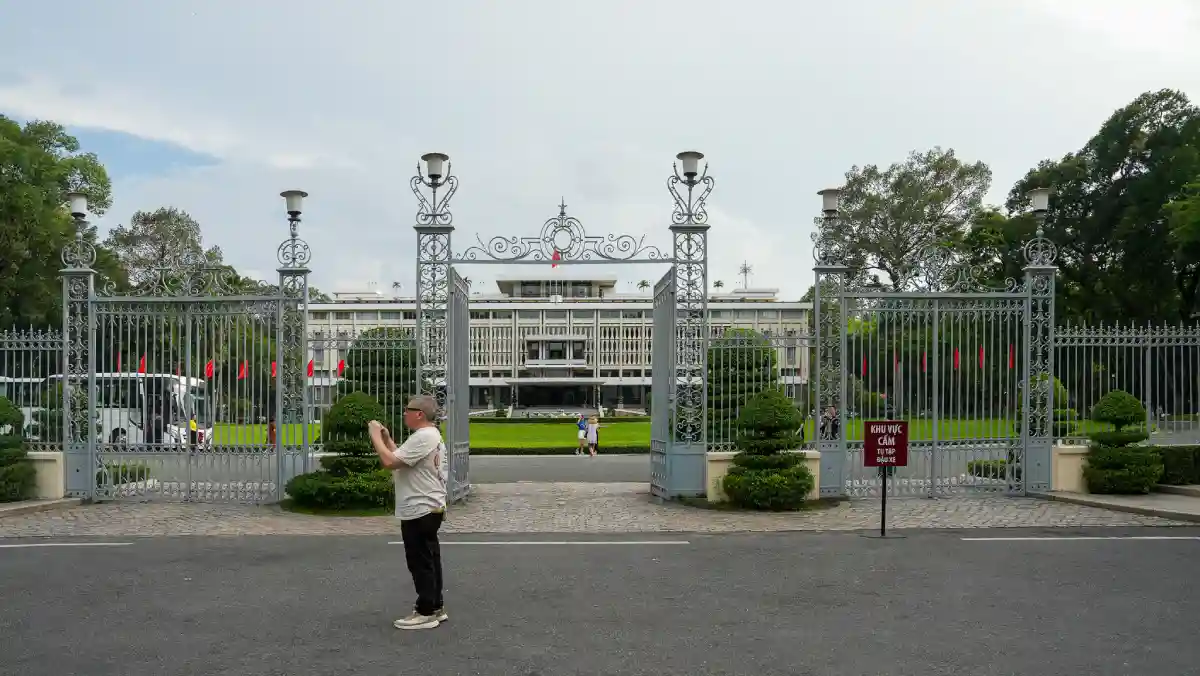
During the 1960s, the original Norodom Palace was replaced by a new modernist structure designed by Vietnamese architect Ngô Viết Thụ.
The result was unlike anything else in Saigon.
Instead of copying European colonial architecture, the new design blended modern engineering with traditional Vietnamese symbolism. The geometric façade, open spaces, and careful use of natural light reflected both modern ambitions and local cultural identity.
Everything changed on April 30, 1975.
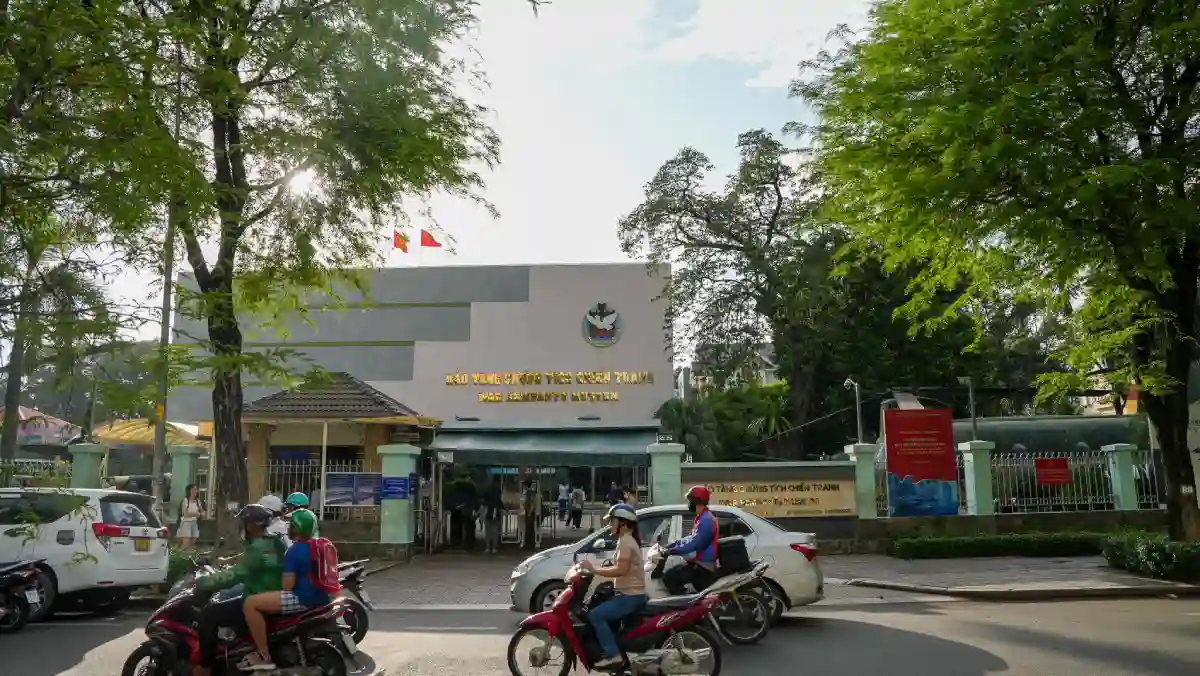
The image of a tank passing through the palace gates became one of the defining moments in Vietnamese history and marked the end of the Vietnam War. Today, visitors can still see many of the rooms exactly as they appeared during that period.
First Impressions: Space, Symmetry and Silence
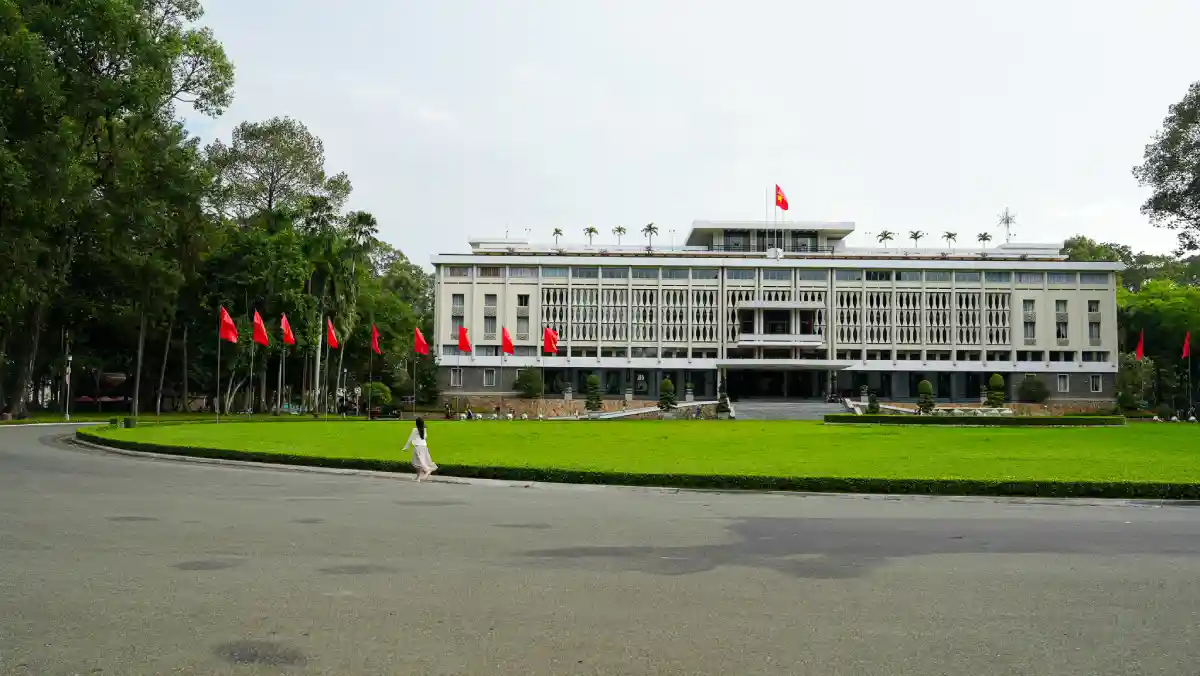
One of the most surprising aspects of Independence Palace is its scale.
Despite being located in the center of a city of nearly ten million people, the grounds feel remarkably peaceful. Wide lawns, mature tropical trees, and open spaces separate the palace from the surrounding streets.
Walking through the entrance gates, visitors immediately notice the strong symmetry of the architecture. The building's clean lines and repetitive geometric patterns create a sense of balance rarely found in modern government buildings.
Exploring the Grounds
Many travelers rush directly inside, but the gardens deserve attention as well.
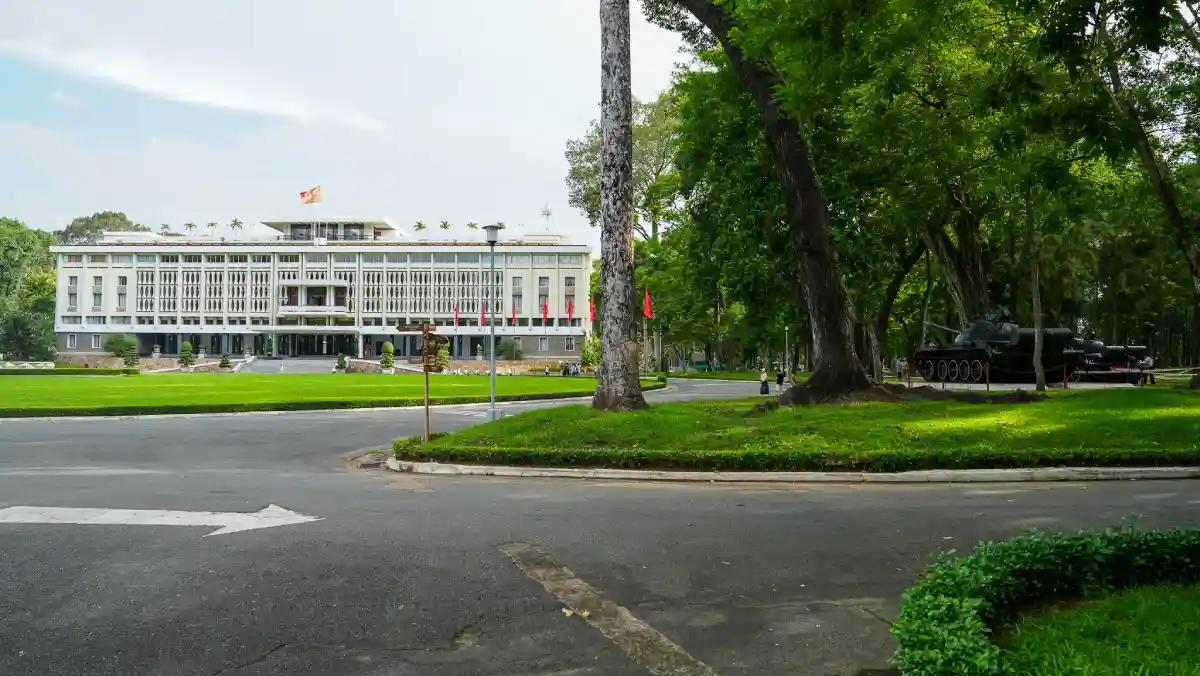
The palace grounds contain historic military vehicles, shaded walking paths, and viewpoints that reveal different angles of the building's architecture. The contrast between the modernist structure and the surrounding greenery creates one of the most photogenic spaces in District 1.
For travelers interested in understanding central Saigon on foot, this area connects naturally with nearby landmarks explored on our Saigon City Highlights walking tour.
Inside Independence Palace
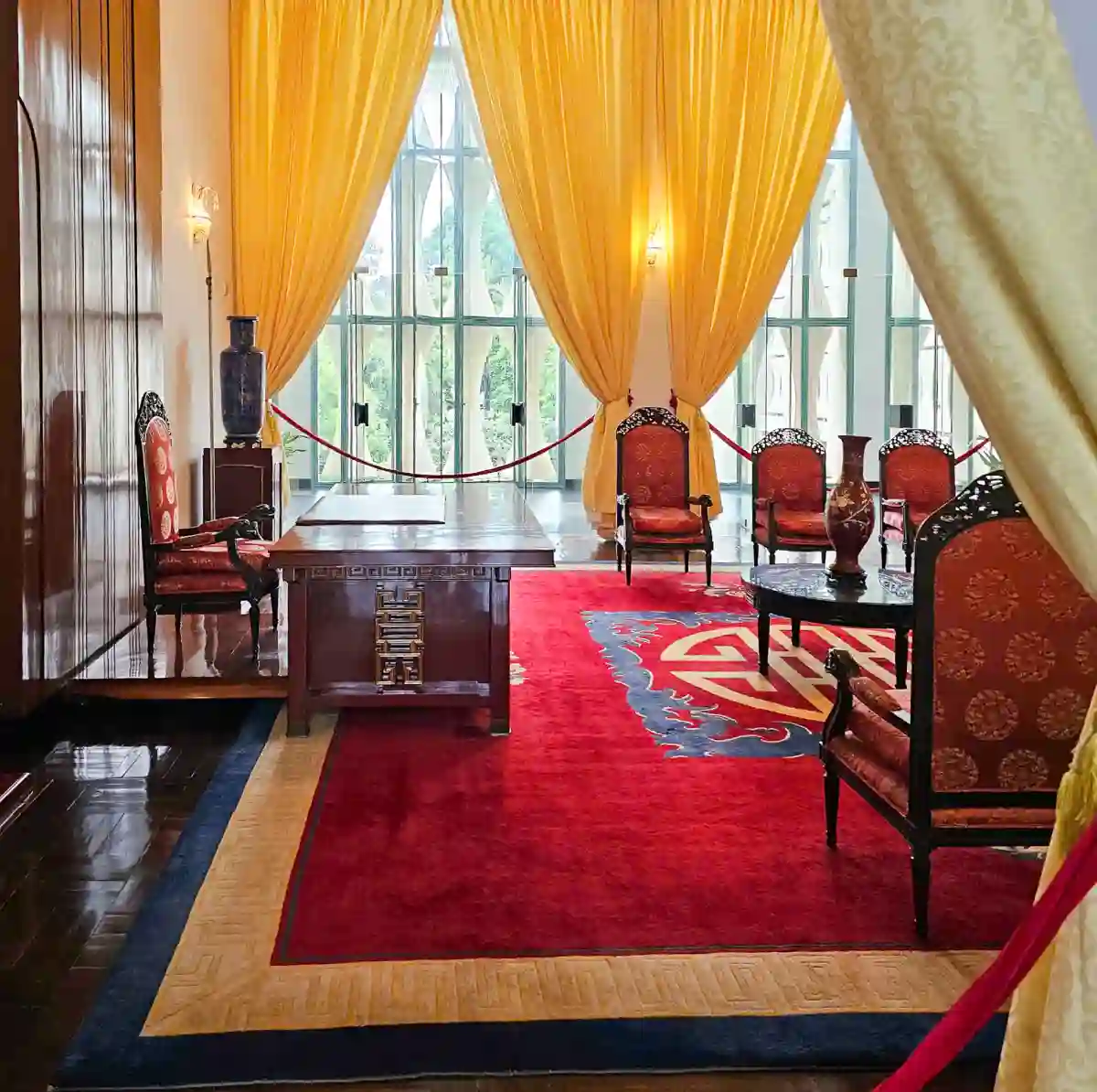
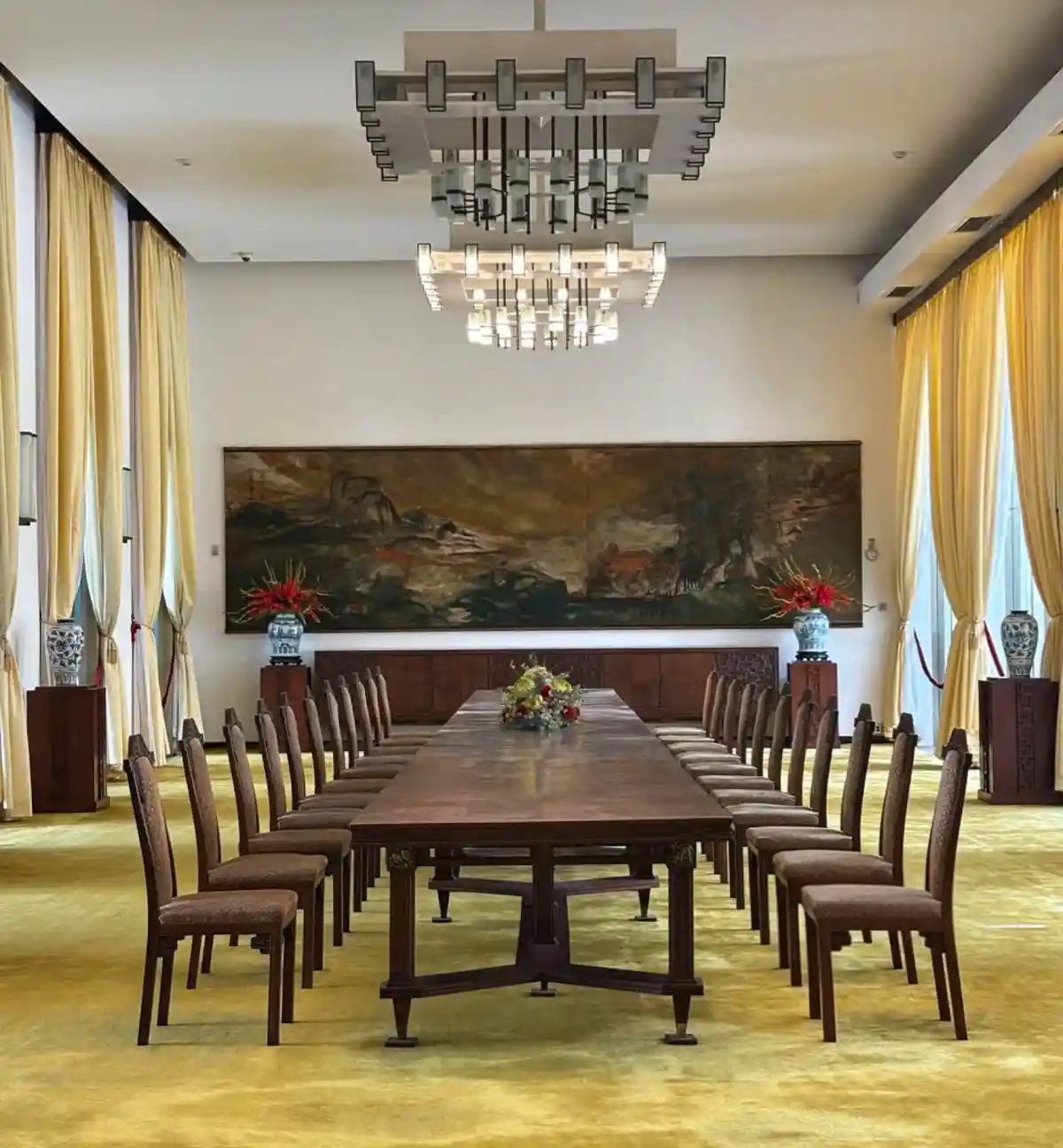
Stepping inside feels like entering a preserved moment in time.
Many rooms remain furnished exactly as they were decades ago. Visitors can walk through reception halls, conference rooms, offices, and private spaces used by political leaders.
Heavy curtains, original furniture, polished wood surfaces, and period décor provide a rare glimpse into a chapter of Vietnamese history that shaped the country we see today.
Experiencing the Palace as a Family
One of the reasons Independence Palace appeals to such a wide range of visitors is that it works equally well for history enthusiasts, photographers, families, and first-time travelers.
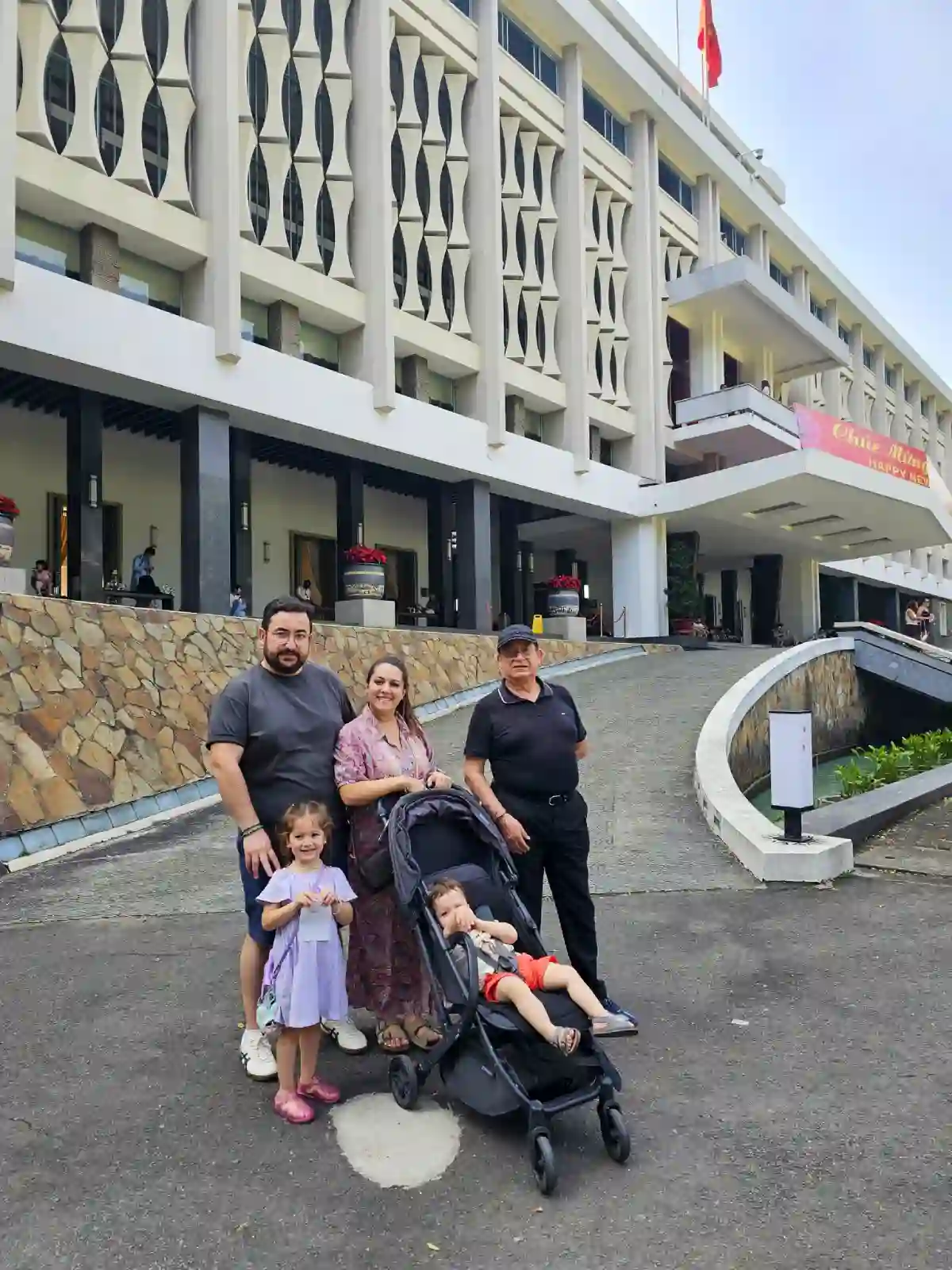
During a recent visit, a family exploring the palace spent time both inside the historic rooms and outside on the grounds. While adults appreciated the historical significance of the site, younger visitors enjoyed the open space and freedom to explore one of the city's most famous landmarks.
What Else Is Nearby?
Independence Palace sits in the middle of one of the richest landmark clusters in Ho Chi Minh City.
Just a few minutes away, visitors can explore Notre Dame Cathedral Saigon, admire the architecture of the Saigon Central Post Office, and continue toward Ho Chi Minh City Hall and Nguyen Hue Walking Street.
Together, these sites tell the story of Saigon's transformation from a colonial city into the dynamic metropolis visitors experience today.
After exploring the palace, many visitors also enjoy discovering local cafés, markets, and hidden food spots featured on our Saigon Street Food Tour.
Frequently Asked Questions
Can you go inside Independence Palace?
Yes. Visitors can access many of the palace's historic rooms, meeting halls, reception areas, and exhibition spaces. Guided and self-guided visits are available, making it easy to explore at your own pace.
How much time should you spend at Independence Palace?
Most visitors spend between 90 minutes and 2.5 hours exploring the grounds and interior rooms. History enthusiasts often stay longer to appreciate the exhibitions and architectural details.
Why is Independence Palace important in Vietnamese history?
Independence Palace played a central role in Vietnam's modern history and became internationally known for the events of April 30, 1975. Today it serves as one of the country's most important historical landmarks and museums.
Discover Saigon With Local Guides
Independence Palace is one of the highlights we regularly introduce to travelers exploring Ho Chi Minh City's historic center.
If you'd like to understand the stories behind the landmarks, architecture, and everyday life of Saigon, join one of our local-led walking experiences.