Some attractions help you see a city.
Others help you understand it.
The War Remnants Museum is one of those places.
Located in District 3, just minutes from the historic center of Ho Chi Minh City, the museum offers visitors a deeper perspective on Vietnam's recent history and the events that helped shape the country we see today.
Many travelers arrive in Saigon expecting vibrant street food, beautiful colonial architecture, bustling markets, and endless streams of motorbikes. They find all of those things. Yet for many visitors, the War Remnants Museum becomes one of the most memorable and thought-provoking experiences of their journey through Vietnam.
Unlike attractions that can be appreciated in a few photographs, this is a place that encourages visitors to slow down, reflect, and better understand the story behind modern Vietnam.
More than simply a museum, it is a place of remembrance, education, and historical reflection.
A Museum in the Heart of Ho Chi Minh City
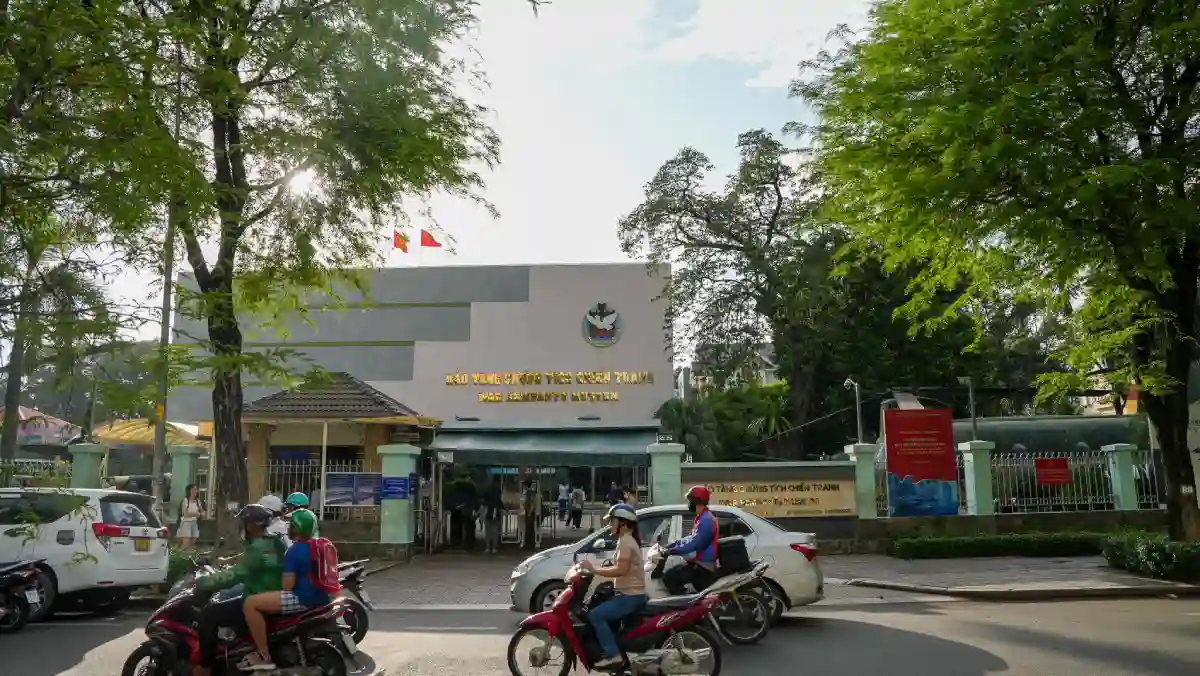
Standing outside the museum, the atmosphere feels surprisingly ordinary.
Motorbikes pass along Vo Van Tan Street. Locals go about their daily routines. Visitors arrive from every corner of the world carrying cameras, guidebooks, and curiosity.
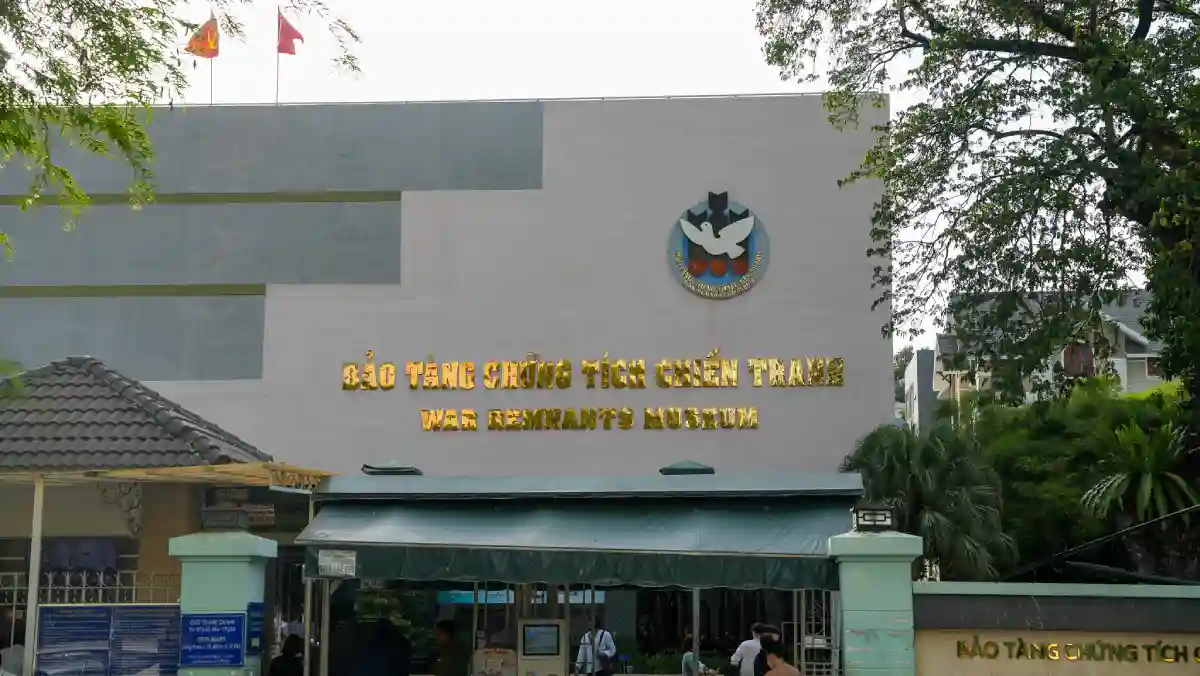
Yet behind these gates stands one of the most visited museums in Vietnam.
Established shortly after the end of the war, the War Remnants Museum has become an important destination for travelers seeking a deeper understanding of Vietnamese history. Every year, millions of visitors explore its exhibits to learn about the conflict, its consequences, and its lasting impact on generations of Vietnamese people.
For many travelers, this visit provides valuable context that helps them better understand both Ho Chi Minh City and modern Vietnam.
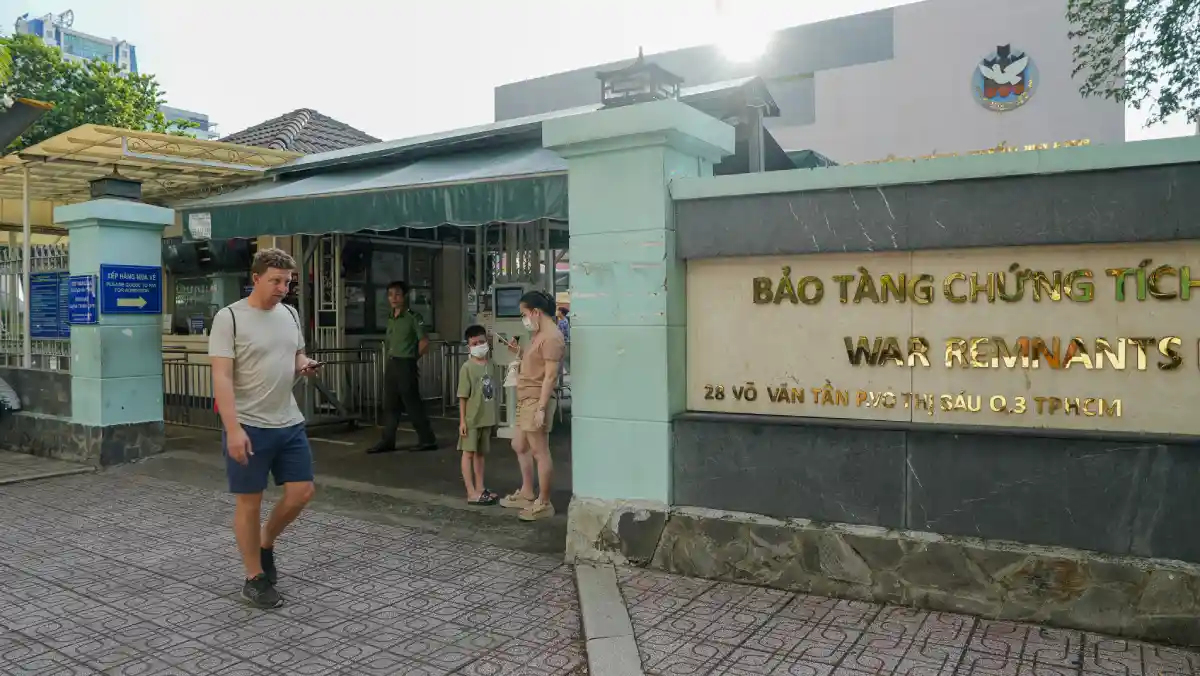
Why the War Remnants Museum Matters
One of the most common questions visitors ask is simple:
"Is the War Remnants Museum worth visiting?"
The answer is almost always yes.
The museum is not famous because of spectacular architecture or rare artistic treasures. It is famous because it tells human stories that continue to resonate long after visitors leave.
Through photographs, historical documents, personal testimonies, and preserved artifacts, the museum presents a perspective that goes far beyond military history.
Rather than focusing solely on battles and political events, the exhibits encourage visitors to consider the human cost of war and the resilience of those who lived through it.
This approach is one reason why the museum consistently ranks among the most important historical attractions in Ho Chi Minh City and one of the most significant museums in Vietnam.
The Outdoor Military Collection
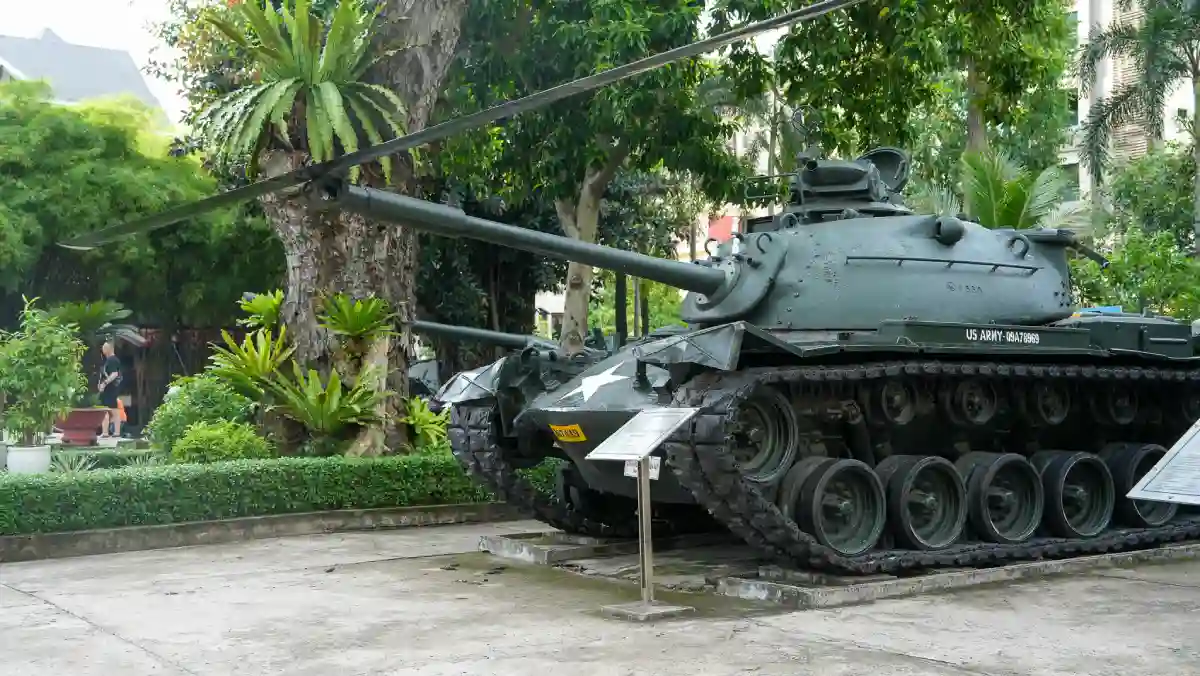
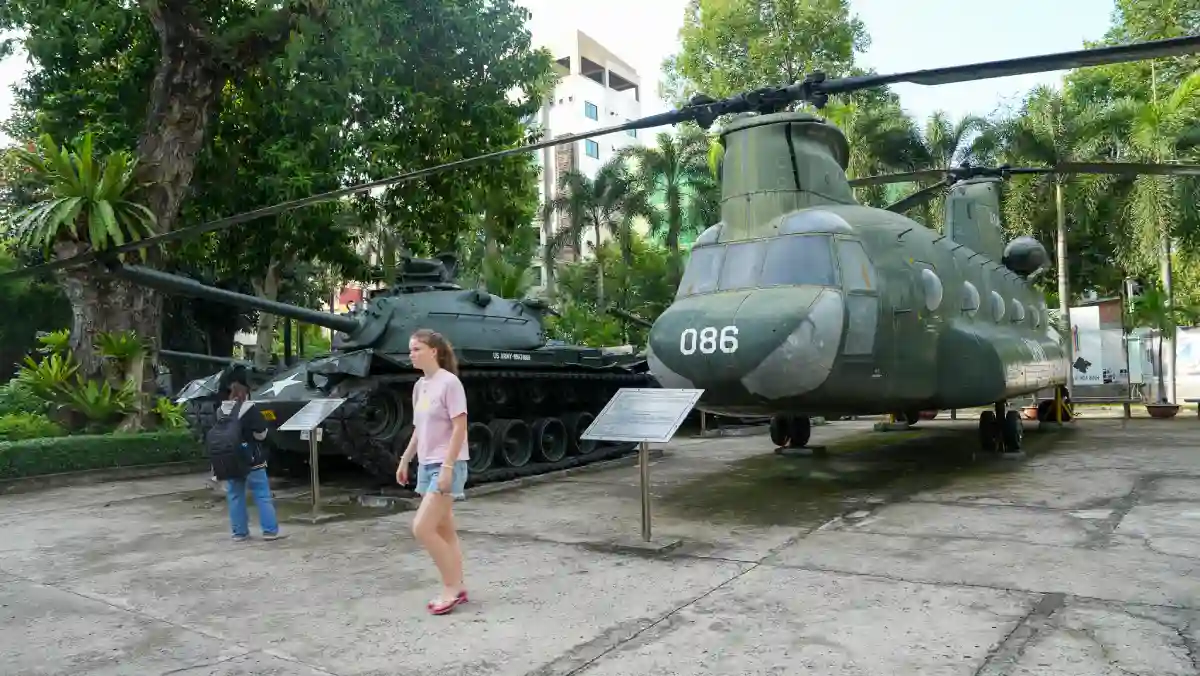
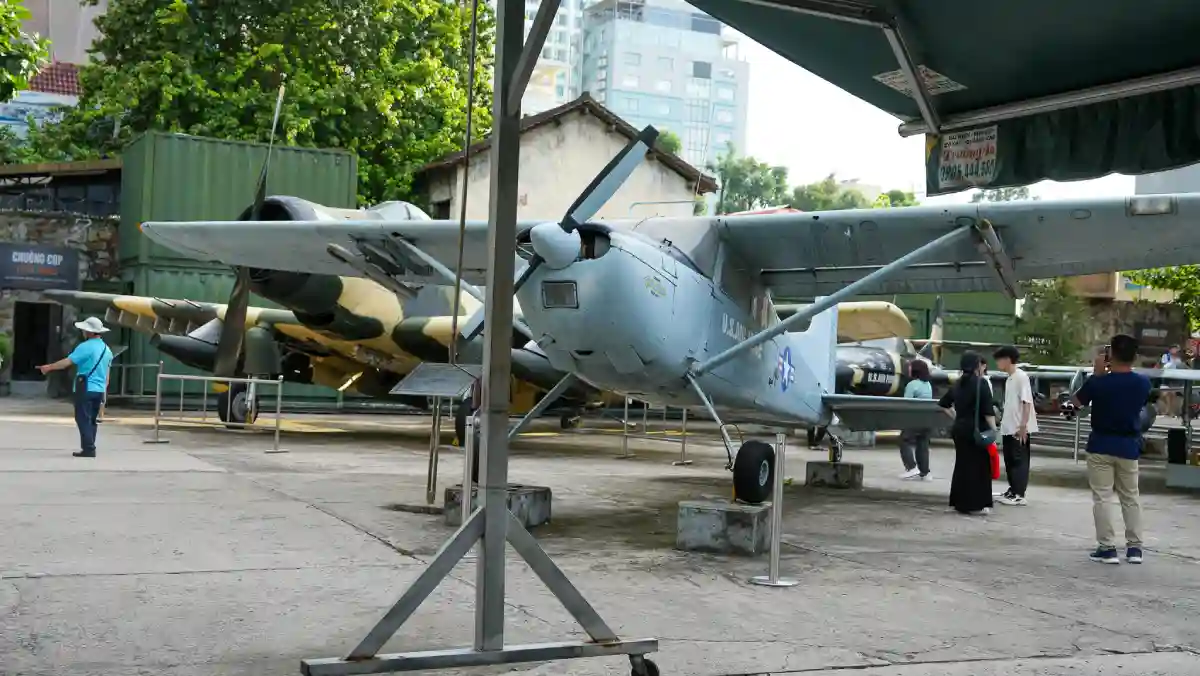
Before entering the main galleries, visitors encounter one of the museum's most recognizable features: its outdoor military exhibits.
Among the displays are tanks, armored vehicles, helicopters, aircraft, and military equipment associated with the Vietnam War.
Seeing these machines in person creates a very different impression than viewing them in photographs or documentaries.
The scale becomes real.
The weight becomes real.
History becomes tangible.
For many visitors, this outdoor collection serves as an introduction to the broader stories explored throughout the museum.
It is also one of the most photographed areas on the site.
A Powerful Reminder of History
The outdoor exhibits are more than historical artifacts.
They serve as physical reminders of a period that transformed Vietnam and influenced global history.
Today, modern skyscrapers rise above Ho Chi Minh City's skyline. International businesses, luxury hotels, cafés, and shopping centers fill the surrounding neighborhoods.
Yet within the museum grounds, visitors encounter evidence of a very different era.
This contrast is striking.
The museum stands as a reminder of how dramatically Vietnam has changed over the past several decades and how far the country has progressed.
Looking Beyond the Machines
While the military equipment attracts immediate attention, the heart of the museum lies inside its galleries.
Through powerful photography exhibitions, historical records, and personal stories, visitors are encouraged to look beyond machinery and statistics.
The focus shifts from equipment to people.
From conflict to consequences.
From history to humanity.
Many travelers describe the museum as one of the most emotional experiences of their visit to Vietnam.
The exhibits challenge visitors to reflect on the experiences of ordinary people whose lives were shaped by extraordinary circumstances.
This emotional connection is what distinguishes the War Remnants Museum from many other museums around the world.
Understanding Modern Vietnam
One of the greatest strengths of the War Remnants Museum is its ability to provide context for modern Vietnam.
Today's Vietnam is energetic, ambitious, and remarkably optimistic.
Ho Chi Minh City is one of Southeast Asia's fastest-growing urban centers, filled with young entrepreneurs, thriving businesses, modern cafés, and a rapidly evolving skyline.
Understanding the challenges faced by previous generations makes these achievements even more remarkable.
For many travelers, the museum helps answer an important question:
How did Vietnam become the country it is today?
While no single attraction can tell the entire story, the War Remnants Museum offers an important chapter.
Combining the Museum with Other Historic Landmarks
The museum's central location makes it easy to combine with several of Ho Chi Minh City's most famous attractions.
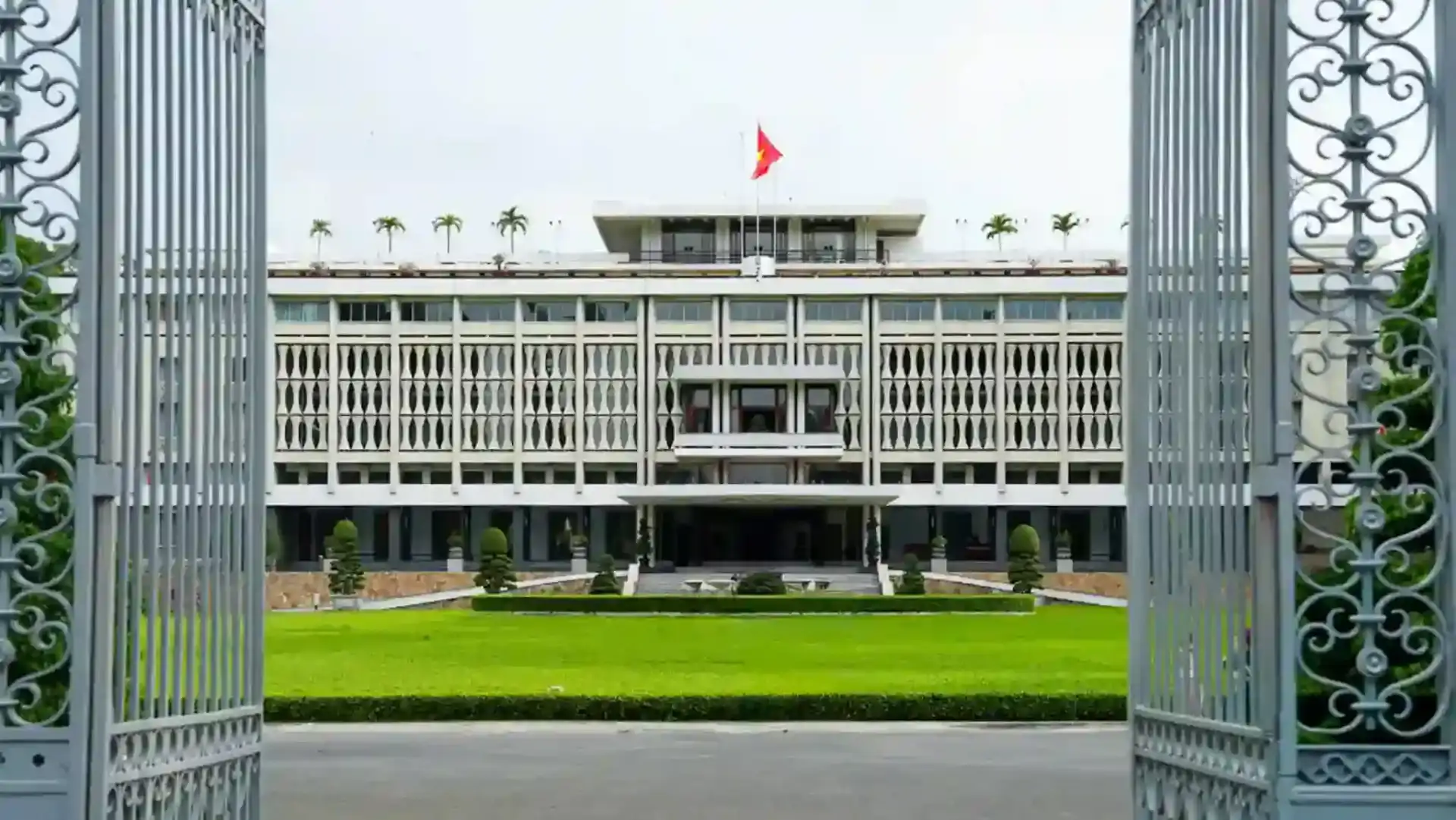
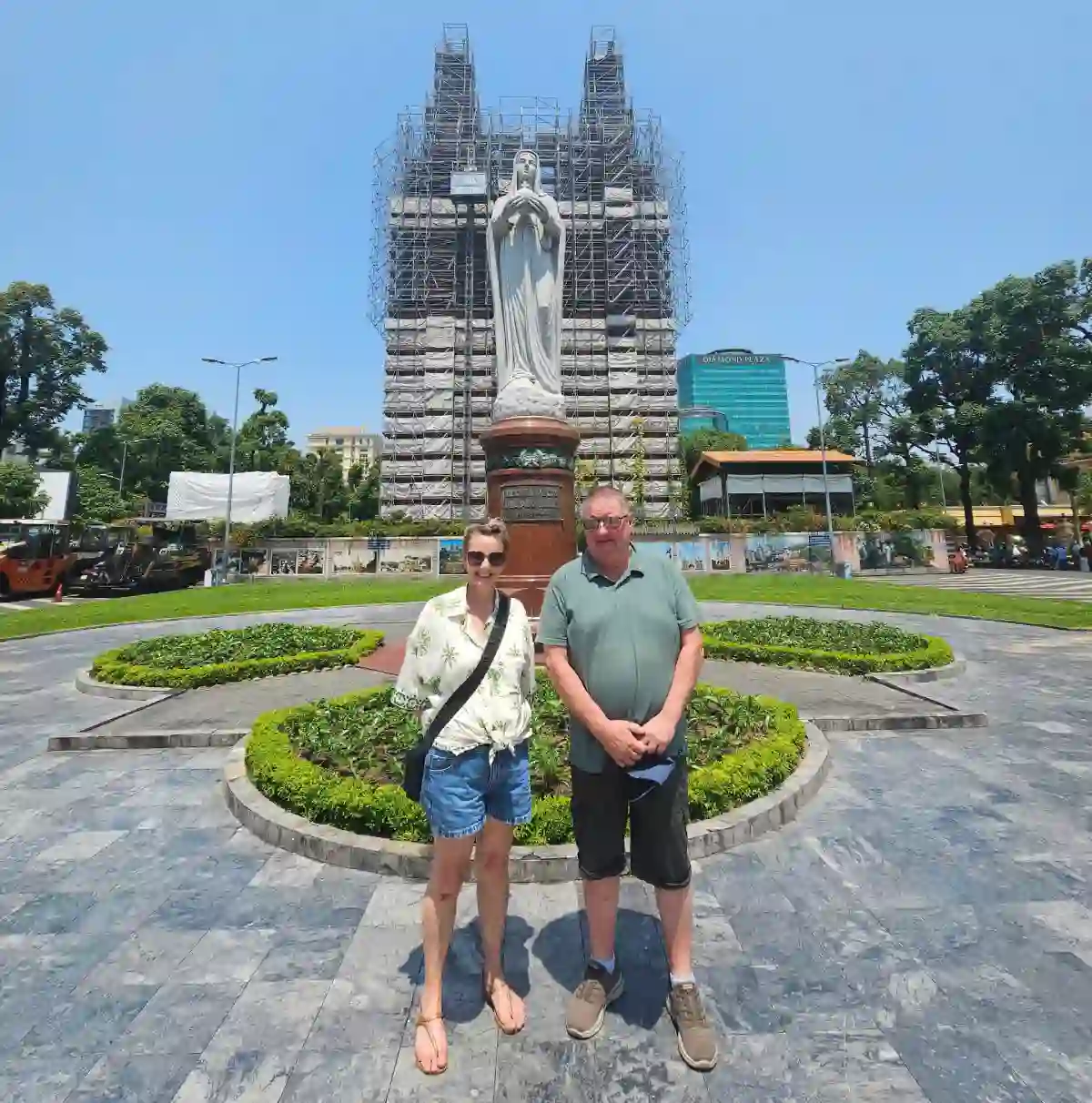
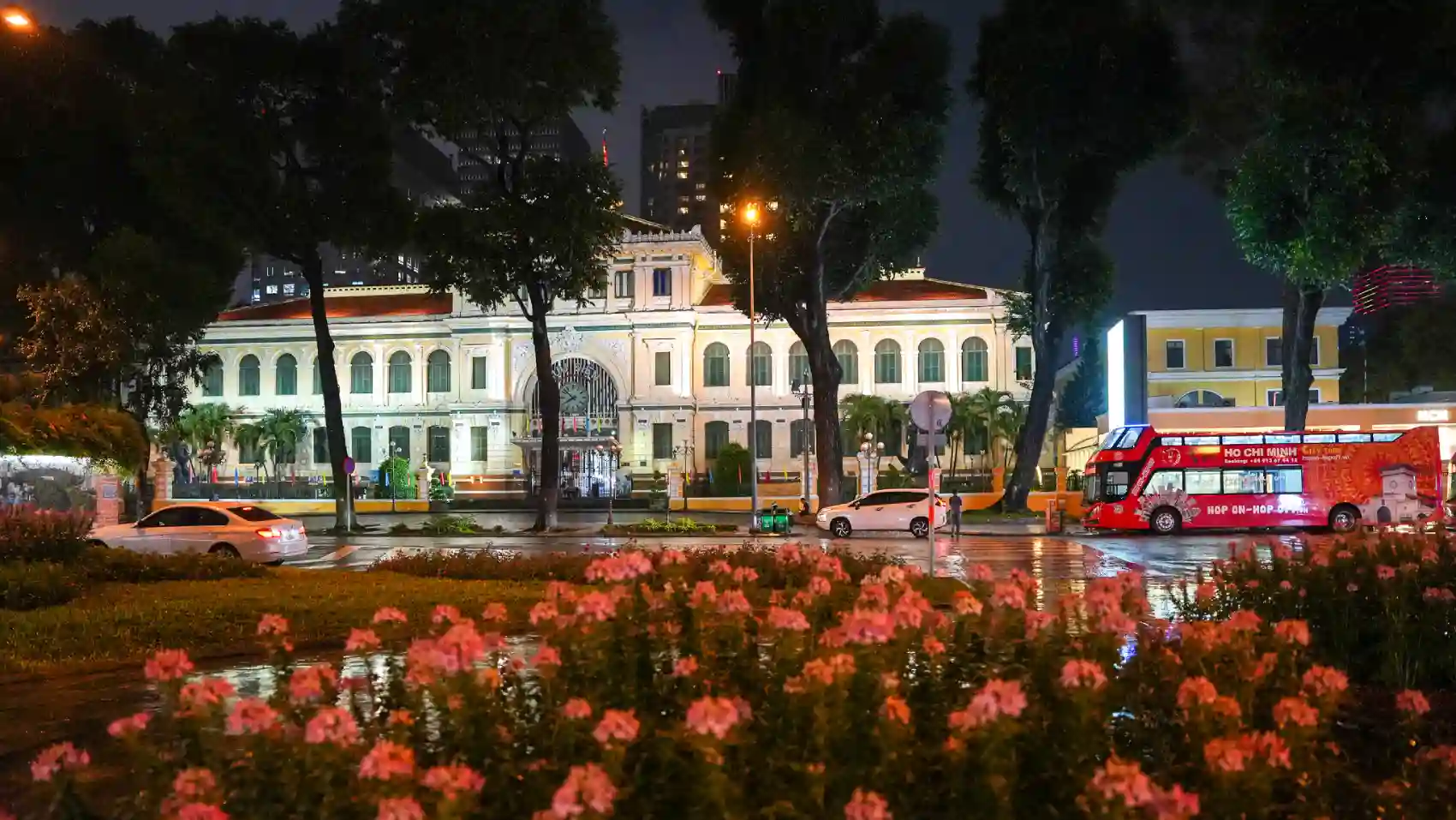
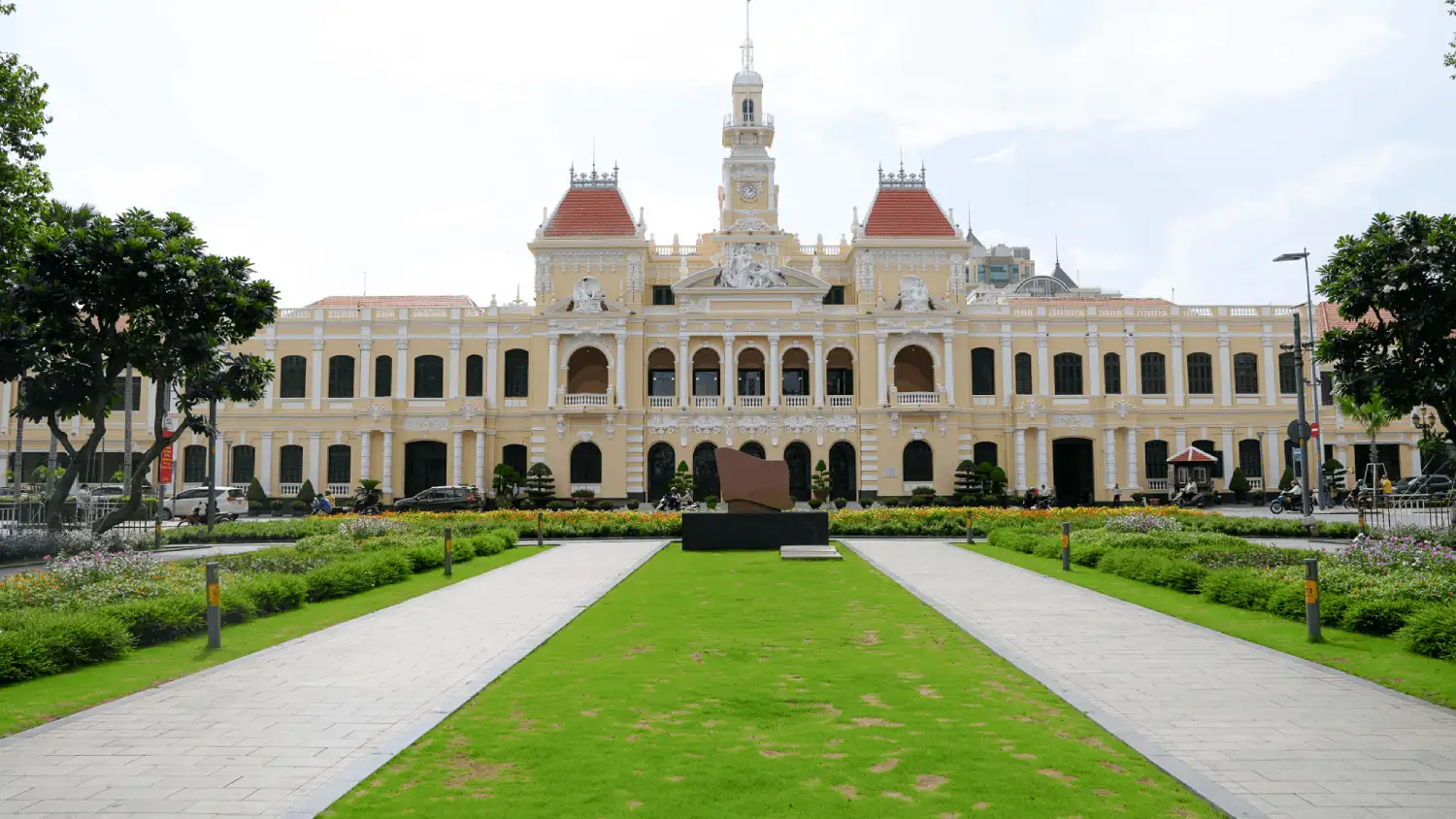
Many visitors continue their exploration with the Independence Palace, Notre Dame Cathedral Saigon, Saigon Central Post Office, Ho Chi Minh City Book Street, and Saigon City Hall.
Together, these landmarks tell the story of colonial Saigon, wartime Vietnam, and the development of modern Ho Chi Minh City.
Visitors who want a deeper understanding of these sites often join our Saigon City Highlights walking tour, where local guides connect the history behind each landmark with everyday life in the city today.
After exploring the city's historical side, many travelers continue their journey through local culture and cuisine on our Saigon Street Food experience, discovering another essential part of life in Ho Chi Minh City.
Experiencing the Museum with a Local Guide
One interesting thing happens after many visitors leave the War Remnants Museum.
The conversation continues.
Questions emerge.
People become curious about modern Vietnamese society, local perspectives, cultural traditions, and how different generations remember the events presented inside the museum.
History suddenly feels less distant.
It becomes connected to real people living real lives today.
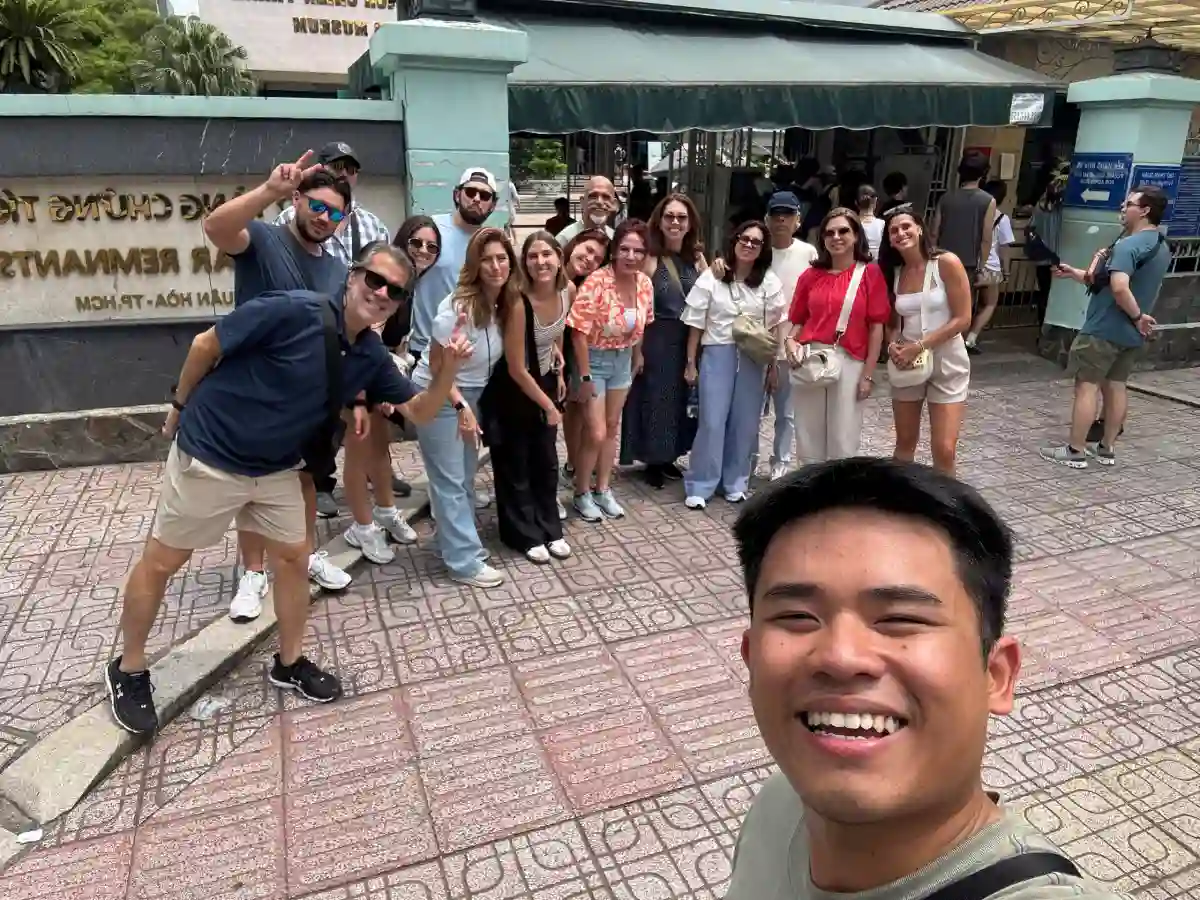
This is why many travelers choose to continue exploring the city with local guides after visiting the museum.
The exhibits provide historical context.
The city itself provides the next chapter.
Through conversations, stories, food, architecture, and daily life, visitors gain a richer understanding of Vietnam beyond what can be learned from displays and photographs alone.
For many travelers, these conversations become some of the most memorable moments of their trip.
Why the War Remnants Museum Remains Essential
Cities change.
Skylines evolve.
New buildings rise.
Generations move forward.
Yet certain places remain important because they help preserve memory and understanding.
The War Remnants Museum is one of those places.
It is not simply a museum about war.
It is a museum about people.
It is about resilience, recovery, and the ability of a nation to move forward while remembering its past.
For travelers seeking more than sightseeing, the War Remnants Museum offers something increasingly valuable: perspective.
And few places in Ho Chi Minh City provide that perspective more powerfully.
Visitor Information
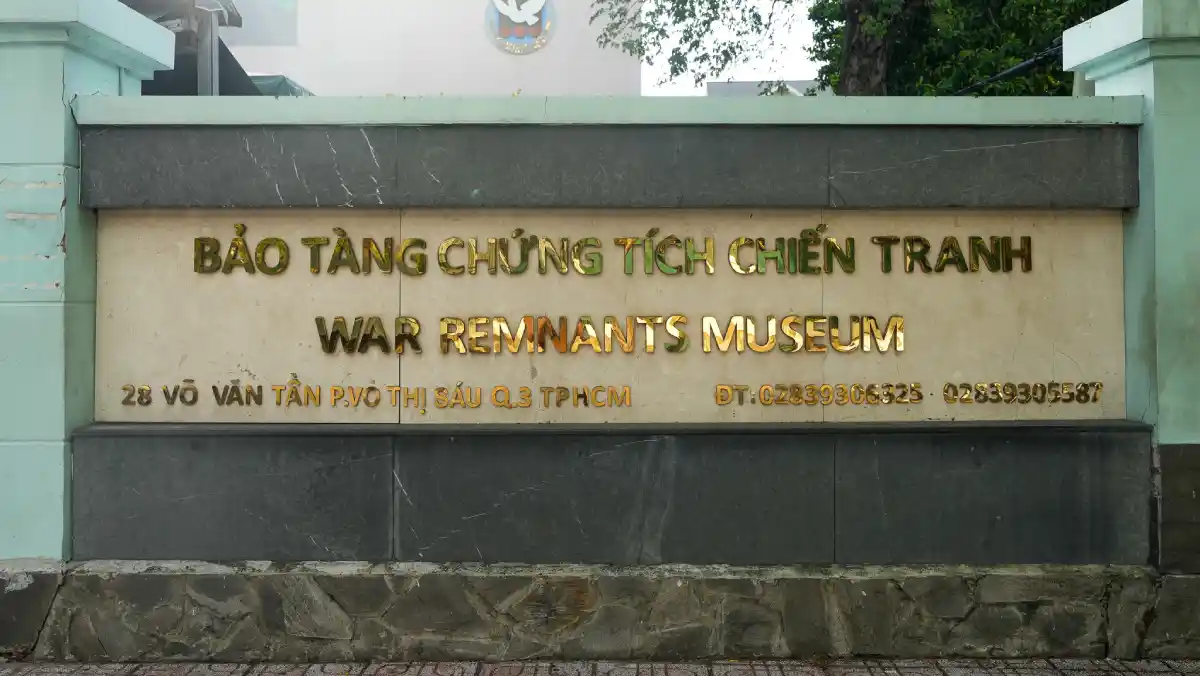
- Location: 28 Vo Van Tan Street, District 3, Ho Chi Minh City
- Recommended Visit Duration: 2–3 hours
- Best For: History enthusiasts, cultural travelers, students, photographers, and visitors interested in understanding modern Vietnam.
Frequently Asked Questions
Is the War Remnants Museum worth visiting?
Yes. It is widely considered one of the most important museums in Vietnam and one of the most meaningful attractions in Ho Chi Minh City.
How much time should I spend at the museum?
Most visitors spend between two and three hours exploring both the outdoor exhibits and indoor galleries.
Can children visit the museum?
Yes, although some exhibitions contain sensitive historical content that parents may wish to review before visiting with younger children.
Is photography allowed?
Photography is generally permitted in many areas of the museum, although visitors should always follow posted guidelines.
What are the best museums in Ho Chi Minh City?
The War Remnants Museum is often ranked among the best museums in Ho Chi Minh City alongside the Museum of Vietnamese History, the Ho Chi Minh City Museum, and the Fine Arts Museum.